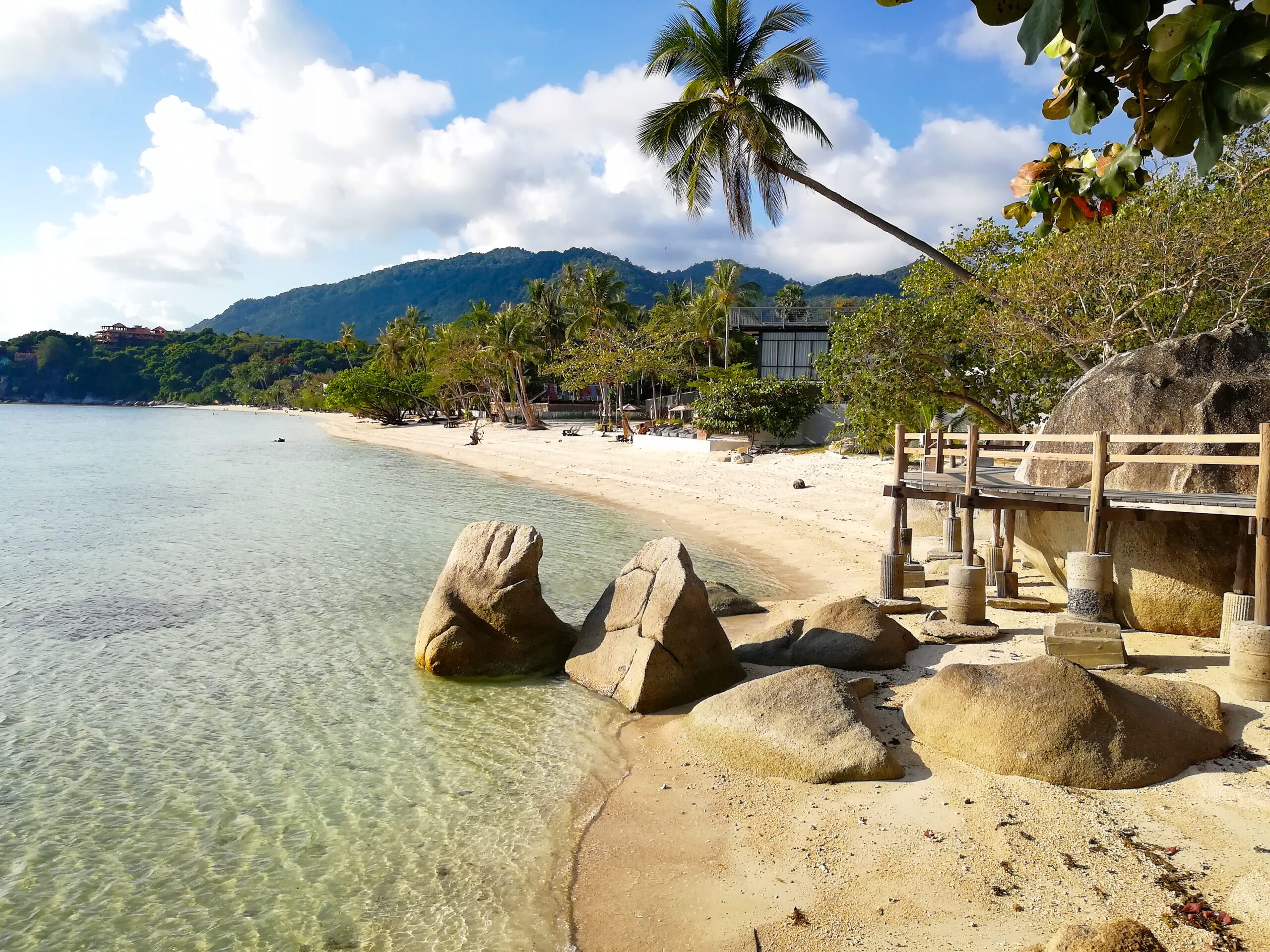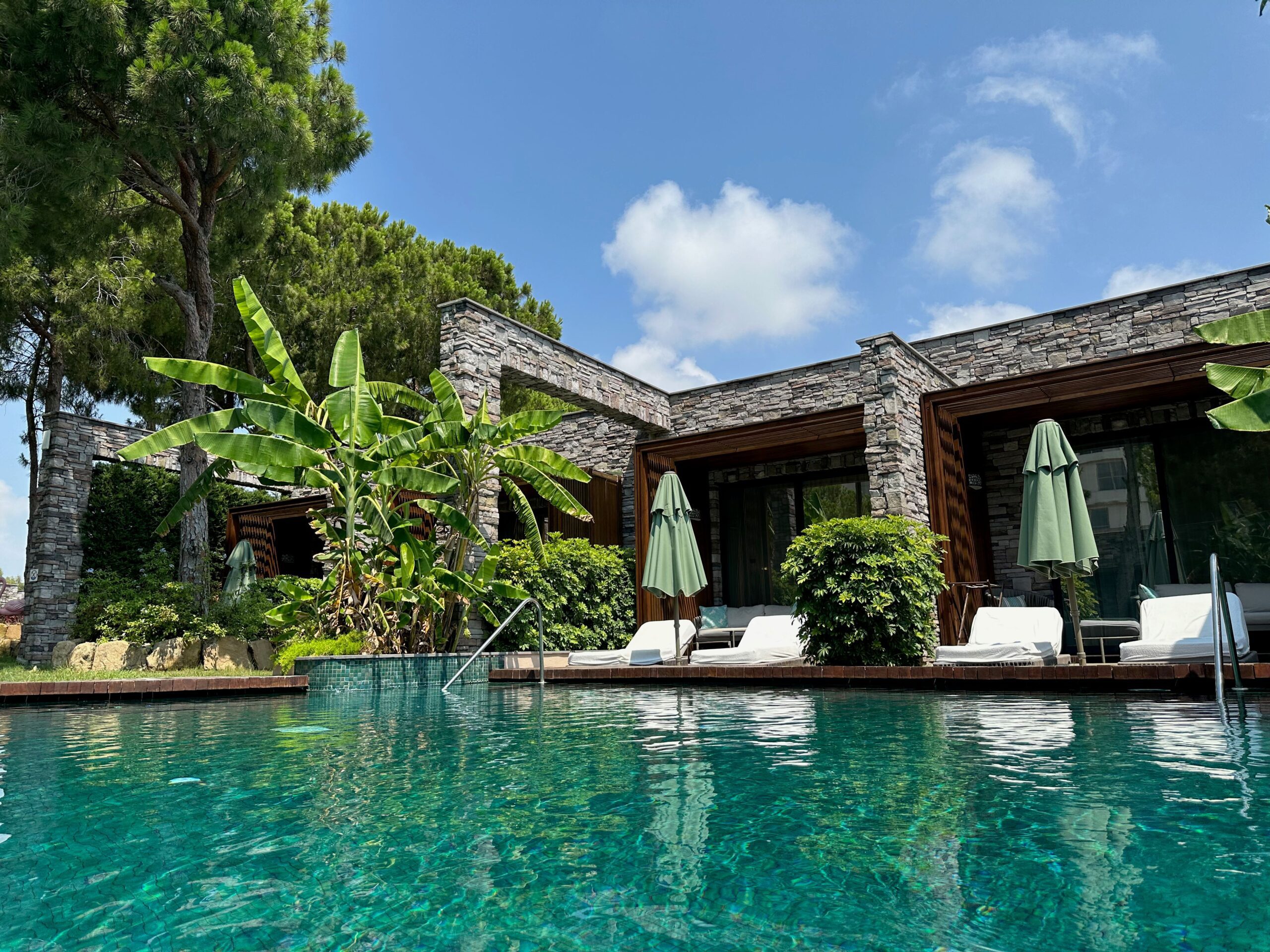
Foreigner Can Buy Property in Thailand: Complete Guide to Buying Property
Yes, a foreigner can buy property in Thailand, but the type of property a foreign buyer can own depends on the property and the legal ownership structure.
This is the most important point to understand before looking at Thai property.
Thailand does not have a simple rule saying that foreigners either can or cannot own real estate. Instead, different rules apply to condominiums, land, houses, villas and other forms of property.
For many foreign buyers, a condominium is the simplest route to direct ownership. Under Thailand’s Condominium Act, qualifying foreigners can own condominium units in a registered condominium, subject to the foreign ownership quota. The combined foreign ownership in a condominium is generally limited to 49% of the total condominium unit area.
Land is different.
A foreign individual generally cannot simply purchase a plot of Thai land and register it in their own name. There is a narrow statutory exception for qualifying foreign buyers who meet substantial investment requirements and obtain the necessary approval, but this is not the normal route used by foreigners purchasing homes or villas in Thailand.
This is why the answer to the question “Can a foreigner buy property in Thailand?” is:
Yes — but you need to understand what you are actually buying.
A foreign buyer may be able to own:
- A qualifying condominium in freehold ownership
- A house or villa through an appropriate legal structure
- A building separately from the land
- A long-term leasehold interest
- Certain other registered property rights
- Land in a very limited statutory situation
The key distinction is between owning property and owning land.

What Can a Foreigner Own in Thailand?
The easiest way to understand Thai property ownership is to separate the market into several categories.
| Property type | Can a foreigner own it? | Typical structure |
|---|---|---|
| Condominium | Yes | Foreign freehold, subject to quota |
| Villa | Yes, depending on structure | Building ownership + land lease/other rights |
| House | Yes, depending on structure | Building ownership + land rights |
| Land | Generally no | Very limited statutory exception |
| Leasehold property | Yes | Registered long-term lease |
| Thai company-owned land | Potentially, but complex | Genuine company structure required |
The table is useful as a starting point, but each category requires more explanation.
The biggest mistake a foreign buyer can make is assuming that a property advertised as “foreign ownership” automatically means the buyer will receive freehold ownership of everything shown in the photographs.
That is not necessarily the case.
A villa, for example, consists of a building sitting on land. The foreign buyer may be able to own the building while having a separate legal right to use the land.
The sales contract and registration documents should make this distinction clear.
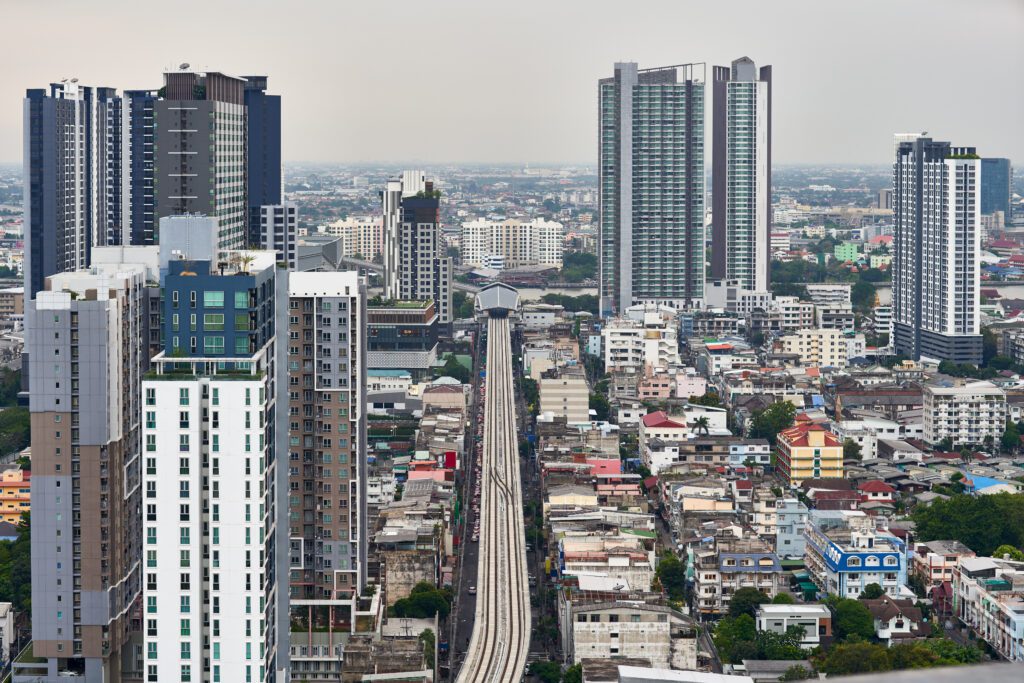
Can a Foreigner Buy a Condominium in Thailand?
Yes. A qualifying foreigner can generally purchase a condominium unit in Thailand in freehold ownership, provided the foreign ownership quota is available.
This is generally the most straightforward form of direct property ownership available to foreign buyers.
Thailand’s Condominium Act allows foreigners to own qualifying condominium units, with foreign ownership generally capped at 49% of the total area of condominium units in the building.
There is an important detail here.
The 49% figure refers to the foreign ownership proportion of the condominium, rather than meaning that 49% of every individual apartment can be foreign owned.
Therefore, a foreign buyer looking at a particular unit should confirm that there is sufficient foreign quota available for that unit.
The condominium’s juristic person can provide confirmation of the foreign ownership proportion. This documentation is required as part of the transfer process.
Why condominium ownership is attractive to foreigners
A freehold condominium can provide a foreign buyer with a relatively straightforward form of registered ownership.
The buyer can potentially:
- Register the unit in their own name
- Live in it
- Rent it where legally permitted
- Sell it later
- Pass the ownership to heirs, subject to applicable law
The condominium building itself remains subject to Thai condominium legislation and the rules of its juristic person.
This means buyers should also investigate management fees, sinking funds, building maintenance and the financial health of the condominium.
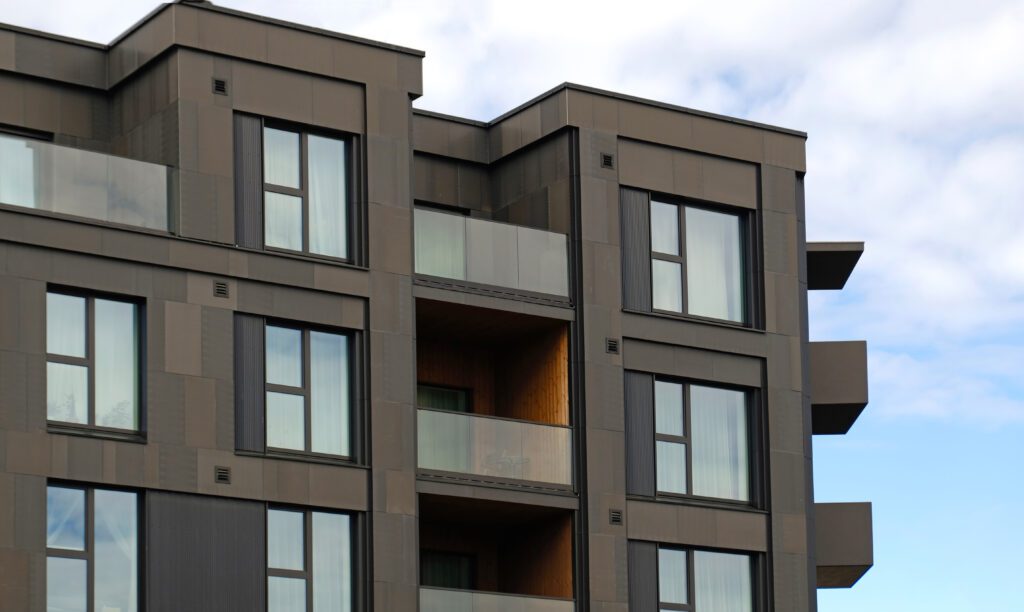
Does a Foreigner Have to Live in Thailand to Own a Condo?
No, foreign condominium ownership is not simply limited to people who permanently live in Thailand.
Thai law provides routes for qualifying foreigners to own condominium units, subject to the relevant requirements and foreign ownership quota. Official government guidance identifies categories of eligible foreign buyers under the Condominium Act.
However, owning a property and having the right to remain in Thailand are two different things.
A foreigner could potentially own a condominium while spending only part of the year in Thailand.
Conversely, having a visa or residency status does not automatically mean that every form of property can be purchased in freehold ownership.
The property rules and immigration rules should therefore be considered separately.

Can a Foreigner Buy a House in Thailand?
Yes, but the ownership of the house and the ownership of the land need to be considered separately.
This is one of the most misunderstood areas of Thai property law.
When someone says:
“I want to buy a house in Thailand.”
there are actually two things involved:
The building
and
The land underneath it.
Thai law generally restricts direct foreign ownership of land.
However, a foreigner can potentially own a building while holding a separate legal right to use the land.
This is why foreign buyers frequently encounter arrangements involving:
- Villa ownership
- House ownership
- Registered land leases
- Other registered rights
- Condominium ownership
The exact structure should be determined for the individual property.
A buyer should never rely solely on a property agent’s description such as “foreigner can own this villa.”
Instead, ask:
What exactly will be registered in my name?
That question should have a precise legal answer.
Can a Foreigner Buy a Villa in Thailand?
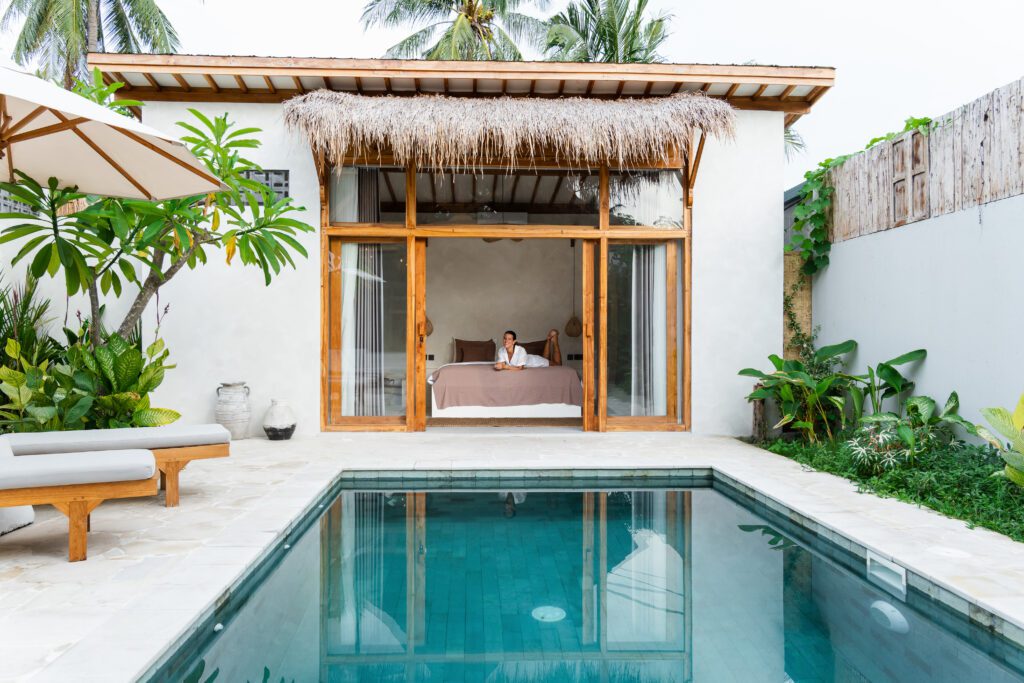
Yes. Villas are widely marketed to foreign buyers throughout Thailand, particularly in Phuket, Koh Samui, Koh Phangan, Pattaya and other resort destinations.
However, a villa purchase is usually more complicated than a condominium purchase because of the underlying land.
A typical villa transaction may involve the foreign buyer acquiring rights to the building and separately obtaining a long-term lease over the land.
This can be a perfectly legitimate structure when properly established.
The important issue is understanding the rights.
For example, a buyer should establish:
Who owns the land?
The title should be independently checked.
Who owns the villa?
The legal ownership of the building should be established.
What right does the buyer have to use the land?
This might involve a registered lease or another legal structure.
How long does the right last?
The initial term and any renewal provisions should be clearly understood.
Can the property be sold later?
The buyer should understand how the ownership structure affects resale.
What happens when the lease expires?
This should be addressed before purchasing rather than left until the end of the lease.

Can a Foreigner Own Land in Thailand?
Generally, a foreign individual cannot directly own land in Thailand.
This is the rule that creates much of the confusion around buying houses and villas.
There is, however, a narrow statutory exception.
Thailand’s government guidance states that a qualifying foreigner may acquire up to one rai of land for residential purposes if specific conditions are met, including an investment of at least 40 million baht, maintaining the investment for the required period, and obtaining permission from the Minister of Interior. The land must also fall within permitted areas and satisfy other conditions.
The investment can involve qualifying Thai government bonds, property funds, shares in qualifying promoted companies or other permitted investments.
This is an important legal exception, but it should not be confused with a general right for foreigners to buy Thai land.
For the vast majority of foreign buyers looking for a holiday home or villa, this is not the normal ownership route.

Why Is Thai Land Ownership Restricted for Foreigners?
Thailand’s restrictions on foreign land ownership are longstanding and form an important part of the country’s property law framework.
The result is that Thailand has developed several legal mechanisms allowing foreigners to have long-term property rights without granting unrestricted foreign ownership of land.
This is why foreign buyers commonly encounter:
Condominium freehold
Land leasehold
Building ownership
Other registered property rights
Rather than simply buying land in their own name.
Understanding this framework makes the Thai property market much easier to navigate.

What Is Leasehold Property in Thailand?
Leasehold means that a person has the legal right to use property for a defined period without owning the land outright.
Leasehold is particularly important for foreign buyers interested in villas.
Thailand’s government guidance describes long-term leases with an initial maximum term of 30 years, with renewal arrangements potentially extending the relationship if the lessor agrees and the legal requirements are satisfied.
This is why foreign buyers often see properties advertised as:
30 + 30 + 30 years
However, this wording requires careful interpretation.
A buyer should not automatically assume that a 30-year lease plus two possible renewals is equivalent to a guaranteed 90-year registered ownership right.
The initial lease and future renewals are separate legal matters.

Is a 30 + 30 + 30 Lease Really 90 Years?
Not in the same sense as owning a property for 90 years.
This is an important distinction for anyone buying Thai property.
A registered lease provides rights for the agreed term.
Future renewal depends on the applicable legal and contractual arrangements.
Therefore, when a developer or agent advertises:
“30 + 30 + 30 years”
the buyer should ask:
- What is registered now?
- What happens after the initial 30 years?
- Who must agree to the renewal?
- Is the renewal contractual or merely promised?
- Can the lease be transferred?
- What happens if the property is sold?
- What happens if the landowner changes?
- What happens if the lessee dies?
These questions can materially affect the value of a leasehold property.

Can a Foreigner Own the Building but Not the Land?
Yes, this is one of the important structures encountered in Thailand’s villa market.
A building and the land on which it stands can represent separate legal interests.
For example, a foreign buyer may acquire the villa while holding a registered lease over the land.
This can provide a foreigner with long-term control and use of a property without direct ownership of the land.
But the exact legal arrangement matters enormously.
A buyer should not simply assume that “owning the house” gives unlimited rights over the land.
The lease, building ownership documentation and land title should all be examined together.

Can a Foreigner Buy Property Through a Thai Spouse?
A foreigner can be married to a Thai national who owns property, but this does not turn the foreign spouse into the owner of Thai land.
Thailand’s official guidance notes that where property is acquired in the name of a Thai spouse, ownership is treated as belonging to the Thai national.
This means a foreign buyer should not assume:
“My Thai wife/husband owns the land, so I own half.”
That is not how registered land ownership works.
A foreign spouse who contributes money toward a purchase should obtain independent legal and financial advice to understand what rights, if any, they have.

Can a Foreigner Buy Property Through a Thai Company?
This is one of the areas where buyers should be especially careful.
A Thai company can potentially own land where the company is genuinely established and legally qualifies to hold the property.
However, creating a company solely to circumvent Thailand’s foreign land ownership restrictions can create serious legal problems.
Thailand’s official information discusses company structures involving Thai ownership and a maximum 49% foreign shareholding, but buyers should not interpret this as permission to use nominee shareholders simply to disguise foreign ownership.
A legitimate operating business is very different from a shell company created solely to hold someone’s private villa.
If a property salesperson recommends a company structure, the foreign buyer should have the arrangement reviewed independently by a Thai lawyer who represents the buyer.

Can a Foreigner Buy Property in Phuket?
Yes, and Phuket is one of Thailand’s most established markets for international property buyers.
Foreign buyers can purchase qualifying condominium units subject to the foreign ownership quota.
Phuket also has a large villa market.
However, villas generally require more detailed examination because the land beneath the property is subject to Thailand’s foreign ownership restrictions.
This means Phuket buyers will encounter both:
Foreign freehold condominiums
and
Land-based villas using different ownership structures.
The right choice depends on whether the buyer prioritizes direct ownership, privacy, space, rental potential or a particular lifestyle.

Can a Foreigner Buy Property in Koh Samui?
Yes.
Koh Samui has a mature international villa market and is particularly popular with buyers looking for holiday homes and rental properties.
Foreign buyers considering Koh Samui should pay close attention to:
- Land title
- Access roads
- Building ownership
- Lease structure
- Electricity
- Water
- Drainage
- Hillside construction
- Sea-view protection
- Rental regulations
A sea-view villa can be extremely attractive, but buyers should establish whether the land in front of the property could be developed later.
A view is valuable, but it is not necessarily guaranteed forever.

Can a Foreigner Buy Property in Koh Phangan?
Yes.
Koh Phangan has a growing international property market covering villas, development land, holiday homes and lifestyle residences.
The island is particularly interesting because different areas have very different property characteristics.
Sri Thanu and the west coast have strong lifestyle and wellness demand.
Baan Tai has a stronger tourism and rental orientation.
Thong Sala offers practical access to everyday services.
The north can appeal to buyers seeking a quieter environment.
However, Koh Phangan’s mountainous terrain makes technical due diligence particularly important.
A cheap hillside plot may require expensive:
- Excavation
- Retaining walls
- Road improvements
- Drainage
- Foundations
- Utility installation
Therefore, land should be evaluated based on its total development cost, not just its purchase price.
Can a Foreigner Buy Property in Bangkok?
Yes.
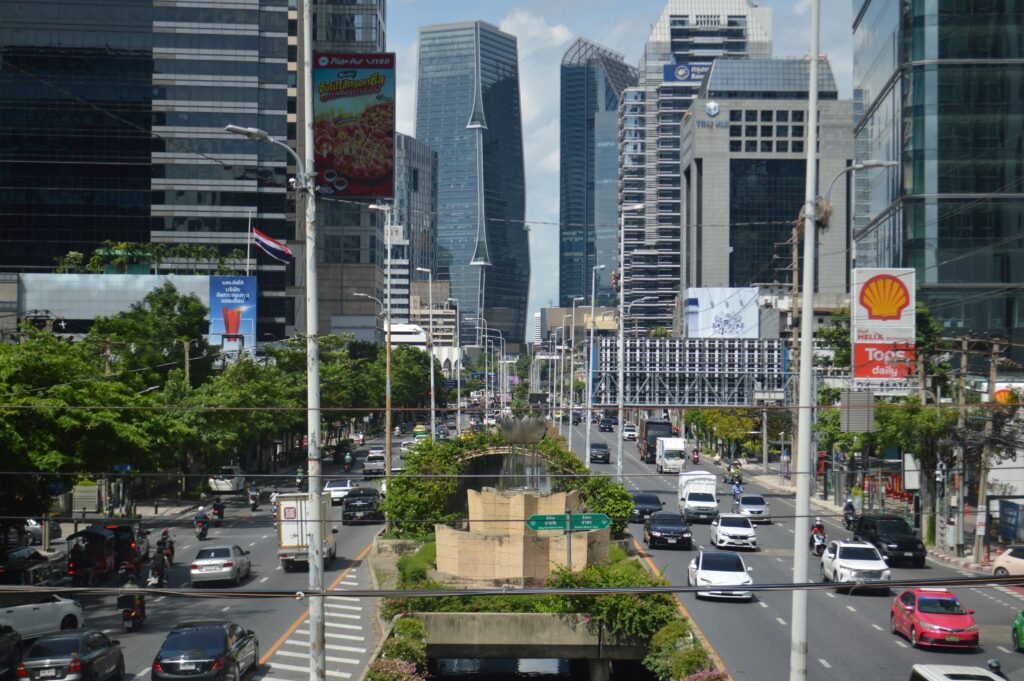
Bangkok is one of the most established condominium markets in Thailand and can be particularly suitable for foreigners looking for direct freehold ownership.
A qualifying condominium can potentially be purchased in the foreign quota.
Bangkok also has a large long-term rental market, which can make certain condominiums attractive to investors.
However, location is critical.
A property near public transport, employment centers, universities or established residential districts can have a very different investment profile from an apartment in a less connected area.

Can a Foreigner Buy Property in Pattaya?
Yes.
Pattaya has a long history of international property ownership and a large condominium market.
The city can be attractive to foreign buyers interested in:
- Holiday homes
- Retirement property
- Rental investment
- Second homes
- Condominiums
- Villas
As elsewhere in Thailand, condominium freehold and land-based villa ownership need to be treated as different legal categories.
Can a Foreigner Buy Property in Chiang Mai?
Yes.
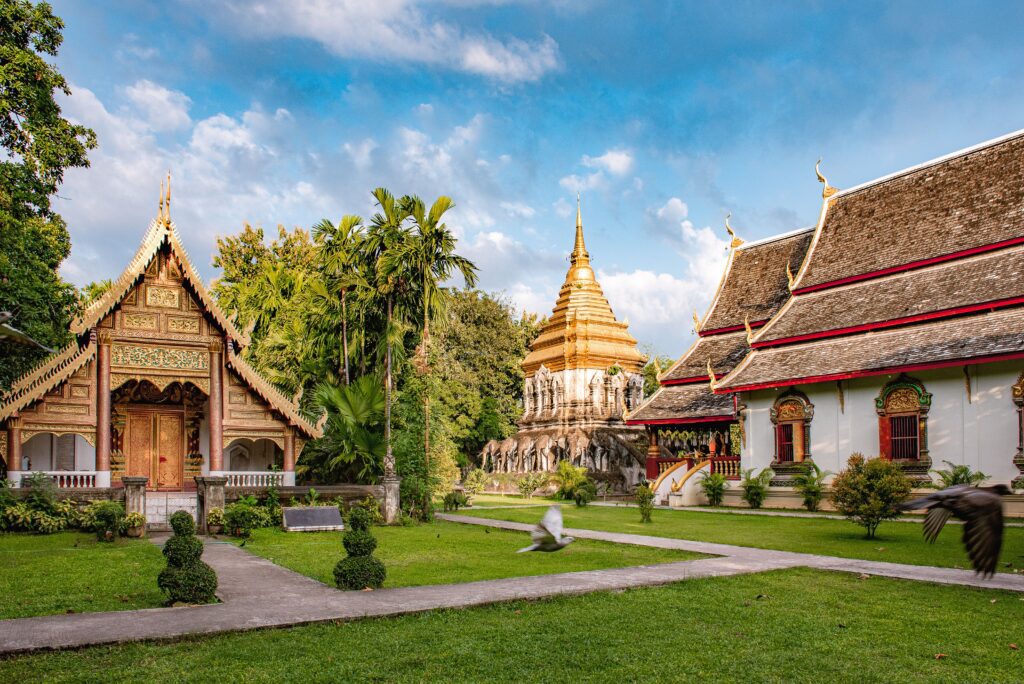
Chiang Mai is particularly relevant to foreign buyers interested in long-term living rather than purely beach tourism.
Condominiums can provide a route to foreign freehold ownership where the project qualifies and foreign quota is available.
Houses and land require a different structure because of the restrictions on direct foreign land ownership.
Chiang Mai’s property market also has a different rental profile from Bangkok and the islands, so investors should consider actual local demand rather than assuming that national property trends apply everywhere.

What Is the Best Property for a Foreigner to Buy in Thailand?
There is no universally best property.
The best property depends on the buyer’s objective.
For straightforward ownership
A qualifying foreign freehold condominium may be the simplest choice.
For a private holiday home
A villa may be more attractive, although the land structure needs to be carefully reviewed.
For rental investment
The property should be evaluated on realistic net rental income rather than advertised gross returns.
For long-term living
Location, access to services, healthcare, transportation and day-to-day convenience may matter more than short-term rental potential.
For land development
The title, access and development potential need to be established before calculating the investment return.
The right property is therefore not necessarily the one with the highest rental yield or most impressive sea view.
It is the one where the legal structure and economics match the buyer’s actual goals.

What Does It Cost to Buy Property in Thailand?
The purchase price is only one part of the cost.
Depending on the property and transaction, a buyer may encounter:
Transfer fees
Specific business tax
Stamp duty
Withholding tax
Legal fees
Registration fees
Bank charges
Management fees
Renovation costs
Furniture
Insurance
Ongoing property taxes
For condominium and land transactions, Thailand’s government states that the standard transfer fee is generally 2% of the appraised value, although other taxes and charges may apply depending on the circumstances of the transaction.
The contract should establish how applicable costs are divided between buyer and seller.
A foreign buyer should request a complete estimated completion statement before signing.

How Does a Foreigner Transfer Money to Buy Property in Thailand?
This is an area where preparation matters.
For foreign condominium purchases, Thailand’s government guidance indicates that purchase funds generally need to be transferred into Thailand from overseas in foreign currency, with appropriate banking documentation retained.
The documentation can be important during the registration process.
Therefore, a buyer should not simply send a large amount of money to a Thai account without first confirming the required procedure.
Before transferring the purchase funds, confirm with:
The Thai bank
The property lawyer
The seller/developer
The condominium juristic person, where applicable
what documentation will be required.
This is much easier to solve before the money is transferred than at the Land Department on completion day.

Can Foreigners Get a Mortgage to Buy Property in Thailand?
Financing is possible in some circumstances, but foreign buyers should not assume that a Thai mortgage will be available on the same terms as for a Thai national.
Thailand’s official government information notes that financial institutions offer loans to foreigners for condominium purchases within the applicable legal framework, while financing for foreign ownership of houses or land is much more restricted.
Eligibility can depend on:
- Residency status
- Income
- Employment
- Nationality
- Property type
- Lender
- Loan amount
- Existing assets
Some foreign buyers use overseas financing instead.
The important thing is to establish the financing before signing a purchase contract with a non-refundable deposit.

Can a Foreigner Rent Out Property in Thailand?
Potentially, yes, but the intended rental model needs to be checked before buying.
This is particularly important for properties marketed as investment villas.
There is a major difference between:
Long-term residential rental
and
Short-term holiday accommodation.
A buyer should not assume that owning a villa automatically gives them the right to operate it as a hotel or unrestricted short-term rental.
Depending on the property and intended use, licensing and other regulatory requirements can apply.
This is why rental projections should be investigated before purchase.
If the investment only works financially when a property is rented for short stays throughout the year, the legality and practicality of that strategy should be established before buying.

Is Buying Property in Thailand a Good Investment?
It can be, but there is no single Thai property market and no guaranteed return.
Bangkok, Phuket, Koh Samui, Koh Phangan, Pattaya and Chiang Mai have very different demand patterns.
An investor should calculate the economics of the individual property.
For example:
Gross rental income
Suppose a villa is expected to generate ฿2,000,000 per year.
That is only the starting point.
From this figure, the investor may need to deduct:
- Property management
- Cleaning
- Pool maintenance
- Gardening
- Utilities
- Repairs
- Insurance
- Marketing
- Booking platform fees
- Taxes
- Periods without guests
The resulting net income may be substantially lower.
A property should therefore be evaluated on net operating income, not the headline rental figure used in a sales presentation.

What Makes a Good Property Investment in Thailand?
A strong property investment typically combines several factors.
Location
A desirable location creates a broader pool of future buyers and tenants.
Legal structure
A clear ownership structure makes the property easier to understand and potentially easier to resell.
Access
Good physical and legal access matters enormously, especially outside major urban areas.
Property quality
Poor construction can turn a seemingly cheap property into an expensive one.
Rental demand
The property needs to appeal to the people who actually rent in that location.
Purchase price
Even a good property can be a bad investment if it is bought substantially above market value.
Exit strategy
Before buying, consider who will eventually buy the property from you.

Buying a Sea-View Property in Thailand
Sea-view villas are among the most popular foreign-owned properties in Thailand.
But buyers should be careful about paying a large premium for a view without investigating the surrounding land.
Ask:
Who owns the land between the property and the sea?
Can it be developed?
Are there existing development rights?
Could another building obstruct the view?
Is the current view dependent on vegetation that could legally be removed?
Is the property located on a steep slope?
A beautiful view can add substantial value, but the buyer should determine how secure that view actually is.
Why Land Title Matters When a Foreigner Buys Property
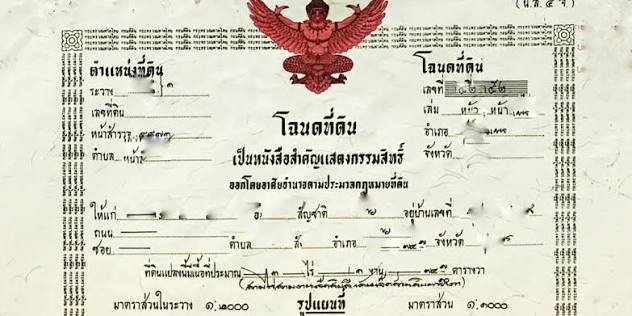
Land title is one of the most important parts of due diligence for villas and land-based property.
A buyer should establish:
Who is the registered owner?
What type of title exists?
Are there mortgages?
Are there easements?
Are the boundaries clear?
Does the property being sold match the land shown on the title?
Is there legal access?
For foreign buyers, these questions should be answered by independent document checks rather than assumptions based on a property listing.

Why Legal Access Matters
A property can have a road physically leading to its entrance while still having complicated access rights.
This becomes particularly important in:
- Koh Samui
- Koh Phangan
- Phuket
- Rural Thailand
- Mountainous areas
A buyer should establish who owns the road and whether the property has a legally recognized right of access.
This can have a major effect on both development and resale.
Why Building Permits and Construction Should Be Checked
An existing villa is not automatically legally compliant simply because it has been standing for several years.
Buyers should investigate the relevant building documentation and whether additions or alterations were properly approved.
This becomes particularly important when buying:
- Large villas
- Hillside properties
- Older homes
- Properties with extensions
- Properties marketed as development opportunities
A technical inspection should also consider:
Roof
Foundations
Retaining walls
Drainage
Electrical systems
Plumbing
Pool
Water supply
Wastewater
The cost of fixing these issues can significantly affect the actual purchase price.
The Property Buying Process for a Foreigner
A good purchase should be approached as a process rather than simply negotiating the asking price.
Step 1: Decide what you want
Determine whether the property is primarily:
- A home
- A holiday property
- A rental investment
- A retirement property
- A development project
- A combination of these
This determines which property type makes sense.
Step 2: Choose the location
Spend time in the area.
Look beyond the property itself.
Consider:
- Roads
- Restaurants
- Shops
- Healthcare
- Beaches
- Schools
- Transport
- Noise
- Neighboring development
A property can be excellent while its location is completely wrong for the buyer.
Step 3: Understand the ownership structure
Before making an offer, establish whether the property is:
Freehold
Leasehold
Foreign condominium freehold
Building ownership plus land lease
or another structure.
Step 4: Appoint an independent lawyer
The lawyer should represent the buyer rather than the seller or developer.
They should review the legal structure and relevant documents.
Step 5: Conduct due diligence
This should include title, ownership, encumbrances, access, building legality and other property-specific issues.
Step 6: Negotiate the contract
The contract should clearly establish:
- Purchase price
- Deposit
- Completion date
- Included furniture
- Fixtures
- Conditions
- Responsibilities
- Transfer costs
- Default provisions
Step 7: Transfer funds correctly
For condominium purchases, make sure the international transfer and banking documentation are handled correctly.
Step 8: Complete the transfer
The appropriate ownership or property rights are registered with the relevant authorities.
For condominiums, the foreign quota documentation is part of the transfer process.
How Long Does Buying Property in Thailand Take?
The timeline varies substantially depending on the property.
A straightforward condominium transaction can be relatively quick once the documentation, foreign quota and funds are ready.
Land-based villa purchases can take longer because there are more issues to investigate.
Potential delays can arise from:
- Title problems
- Missing documents
- Foreign quota
- Bank transfers
- Existing mortgages
- Company structures
- Lease registration
- Building documentation
- Negotiations
This is another reason not to plan a flight home for the day immediately after an expected completion.

Can a Foreigner Sell Property in Thailand?
Yes.
A foreigner can sell property or property rights they legally own.
However, the resale process depends on the ownership structure.
A foreign freehold condominium is generally easier to understand from an ownership perspective.
A leasehold property requires the buyer and seller to examine the lease terms and transfer provisions.
For an investment purchase, the eventual resale should be considered before the initial purchase.
Ask:
Who is likely to buy this property from me later?
If the answer is unclear, that should influence the purchase price.

Can a Foreigner Inherit Property in Thailand?
Inheritance can be complicated, particularly where land is involved.
A foreigner may inherit certain property interests, but restrictions on foreign land ownership can still apply.
This means that anyone buying expensive property as part of a long-term family plan should consider estate planning at the time of purchase.
It is not enough to ask:
“Can I buy this?”
A long-term owner should also ask:
“What happens to this property when I die?”
That question can be particularly important for villas, land-related interests and company structures.

Does Buying Property in Thailand Give You a Visa?
No.
Buying property does not automatically provide a Thai visa, permanent residency or unrestricted right to live in Thailand.
This distinction is extremely important for buyers who are considering Thailand as a long-term home.
Property ownership and immigration status are separate areas of law.
A person may own a condominium while spending only part of the year in Thailand.
Likewise, a person with a valid Thai visa should not assume that they automatically have the right to own Thai land.

Common Mistakes Foreigners Make When Buying Property in Thailand
1. Believing foreigners cannot own property
This is too broad.
Foreigners can own qualifying condominiums and can acquire other property rights through legally recognized structures.
2. Assuming foreigners can buy land freely
They generally cannot.
The narrow statutory exception should not be confused with ordinary foreign ownership.
3. Assuming a villa means freehold land ownership
It does not.
The buyer needs to establish the ownership of both the building and the land.
4. Believing “30 + 30 + 30” means guaranteed 90-year ownership
Future renewal periods should be examined separately.
5. Using a nominee company
A company structure created simply to circumvent land restrictions can create significant risks.
6. Buying because of the view
The view should be assessed alongside title, access and surrounding development.
7. Believing the rental projections
Ask how the projected revenue was calculated.
A peak-season nightly rate does not equal annual net income.
8. Skipping an independent lawyer
The seller’s lawyer, developer’s lawyer or agent is not necessarily representing the buyer’s interests.

Is It Better for a Foreigner to Buy a Condo or Villa?
There is no universal answer.
A condominium can be attractive because:
- Foreign freehold ownership may be available
- Maintenance is handled collectively
- Security can be easier
- Rental management may be simpler
- Resale can be relatively straightforward
A villa can be attractive because:
- More privacy
- Larger living space
- Private pool
- Garden
- Better suitability for families
- Greater lifestyle appeal
- Potentially stronger holiday rental appeal
But villas also introduce more complexity around land.
The best choice depends on whether the buyer values legal simplicity or lifestyle space, although the two are not mutually exclusive.

What Should a Foreigner Look for When Buying a Thai Villa?
A good villa is more than a beautiful building.
The buyer should assess:
Location
Is the area desirable now and likely to remain desirable?
Access
Can cars reach the property easily?
Land
Is the title clear and appropriate?
Construction
Was the villa built properly?
Utilities
Are water and electricity reliable?
Drainage
Can heavy rainfall create problems?
Views
Are they likely to remain?
Rental potential
Is there genuine demand rather than simply an attractive sales projection?
Legal structure
What exactly does the foreign buyer receive?

Can a Foreigner Buy Property in Thailand for Investment?
Yes.
Foreign investors can purchase qualifying property and property rights, but the investment should be assessed carefully.
There are several fundamentally different investment strategies.
Capital appreciation
Buy in an area expected to become more desirable.
Rental income
Buy property that produces ongoing income.
Holiday-home investment
Use the property personally while renting it when not in use.
Development
Acquire land or property with potential for improvement or redevelopment.
Each strategy has different risks.
A rental villa may have strong income potential but higher management costs.
A development plot may have greater upside but significantly greater construction and planning risk.
A condominium may be easier to resell but offer less control over the building.

Where Are Foreigners Buying Property in Thailand?
Foreign property demand is particularly visible in destinations such as:
Bangkok — condominiums, investment and long-term living
Phuket — villas, condominiums and luxury property
Koh Samui — villas, holiday homes and lifestyle property
Koh Phangan — villas, land and lifestyle properties
Pattaya — condominiums, retirement and rental property
Chiang Mai — condominiums and long-term residential property
The right location depends heavily on the buyer’s reason for purchasing.
Someone looking for a permanent home may prioritize healthcare and infrastructure.
A holiday investor may prioritize beaches and tourist demand.
A rental investor may prioritize occupancy and transport.

Frequently Asked Questions: Foreigner Can Buy Property in Thailand
Can a foreigner buy property in Thailand?
Yes. A foreigner can buy property in Thailand, but the ownership rights depend on the type of property. Qualifying condominiums can generally be owned freehold subject to the foreign quota, while direct ownership of land is generally restricted.
Can a foreigner buy a condo in Thailand?
Yes. Foreigners can generally own qualifying condominium units, subject to the 49% foreign ownership limit.
Can a foreigner own land in Thailand?
Generally no. There is a narrow exception involving at least 40 million baht of qualifying investment, a maximum one-rai residential property and government approval, among other conditions.
Can a foreigner buy a house in Thailand?
Yes, but owning the house does not necessarily mean owning the land underneath it. The building and land can be structured separately.
Can a foreigner buy a villa in Thailand?
Yes. Foreigners can purchase villas using appropriate legal structures, often involving building ownership and a long-term land lease.
Can a foreigner buy property in Phuket?
Yes. Phuket has a large foreign property market covering condominiums, villas and resort properties.
Can a foreigner buy property in Koh Samui?
Yes. Foreign buyers commonly purchase villas and condominiums, subject to the relevant ownership structure.
Can a foreigner buy property in Koh Phangan?
Yes. Foreigners can purchase qualifying condominiums and acquire other property rights, while direct land ownership remains restricted.
Can a foreigner buy property in Bangkok?
Yes. Bangkok’s condominium market is particularly accessible to foreign buyers where the foreign ownership quota is available.
Can a foreigner buy property in Thailand without a Thai spouse?
Yes. A Thai spouse is not required for foreign condominium ownership or other legally available property structures.
Can a foreigner buy property through a Thai company?
A genuine Thai company may own property where legally permitted, but buyers should be extremely cautious about nominee arrangements designed to circumvent foreign ownership restrictions.
Is leasehold safe for foreigners?
Leasehold can be a legitimate way to secure long-term rights to use land, but the actual lease should be independently reviewed.
Is 30 + 30 + 30 the same as 90 years?
No. Future renewals should not automatically be treated as equivalent to a currently registered 90-year property right.
Does buying property give a foreigner a visa?
No. Property ownership and immigration status are separate.
Can foreigners get mortgages in Thailand?
Some foreigners may qualify for financing, particularly for condominium purchases, but eligibility varies by lender, residency and financial circumstances.
Can a foreigner rent out property in Thailand?
Potentially, yes, but the intended rental model should be checked for legal and regulatory requirements before purchase.

Foreigner Can Buy Property in Thailand: Final Checklist
Before committing to a property purchase, a foreign buyer should be able to answer all of the following:
What exactly am I buying?
What will legally be registered in my name?
Is the property freehold or leasehold?
Who owns the land?
What type of land title exists?
Is there legal road access?
Are there mortgages or other encumbrances?
Is the building legally constructed?
Can I use the property for my intended purpose?
Can I legally rent it out in the way I expect?
What are the transfer costs and taxes?
How will I transfer the purchase funds?
What happens if I want to sell?
What happens when the lease expires?
What happens to the property if I die?
Has an independent lawyer reviewed the transaction?
If the answer to any of these questions is unclear, the buyer should investigate further before signing.

Final Thoughts: Can a Foreigner Buy Property in Thailand?
Yes — a foreigner can buy property in Thailand.
But the important question is not simply whether a foreigner can purchase a property.
The important question is what legal rights the foreigner will receive.
For many buyers, a qualifying condominium provides the clearest route to direct foreign freehold ownership, subject to the 49% foreign quota.
For villas and houses, the situation is more nuanced because the building and the land can have different ownership arrangements.
For land itself, direct foreign ownership is generally restricted, with a narrow statutory exception subject to substantial conditions.
This is why experienced foreign buyers should look beyond the property brochure.
A beautiful villa, spectacular sea view or attractive rental yield does not tell you what you actually own.
Before purchasing, establish the title, ownership structure, land rights, access, building legality, costs, rental position and eventual resale options.
The best Thai property purchase is not necessarily the most luxurious property or the one with the highest advertised return.
It is the property where the legal structure, location, price, physical condition and intended use all work together.
For a foreign buyer, understanding those elements before committing funds can make the difference between a straightforward property purchase and a complicated long-term problem.
This guide is intended for general informational purposes and is not legal, tax, immigration or financial advice. Thai property legislation, regulations and administrative practices can change. Foreign buyers should obtain independent advice from a qualified Thai property lawyer before entering into a binding agreement or transferring substantial funds.