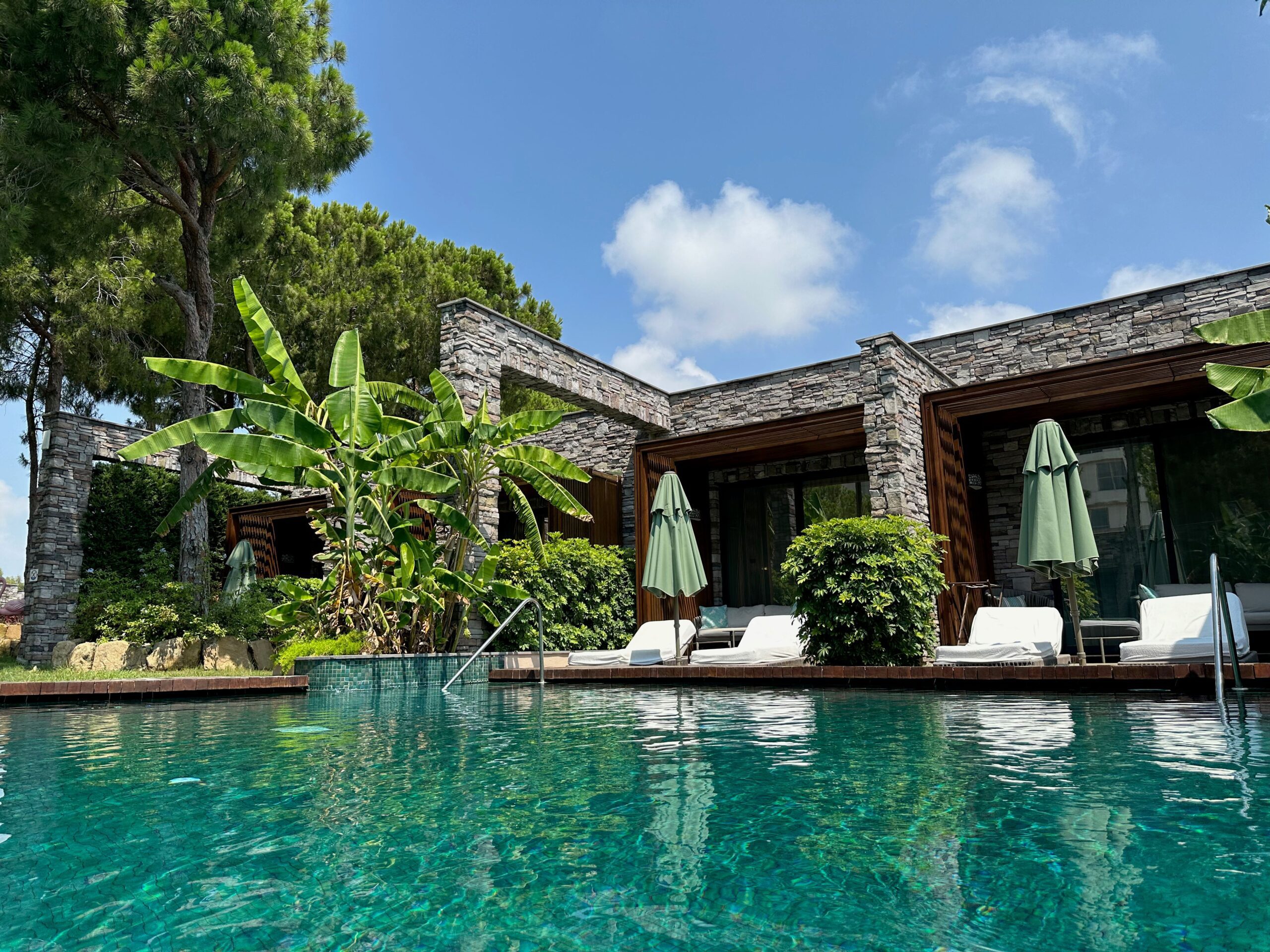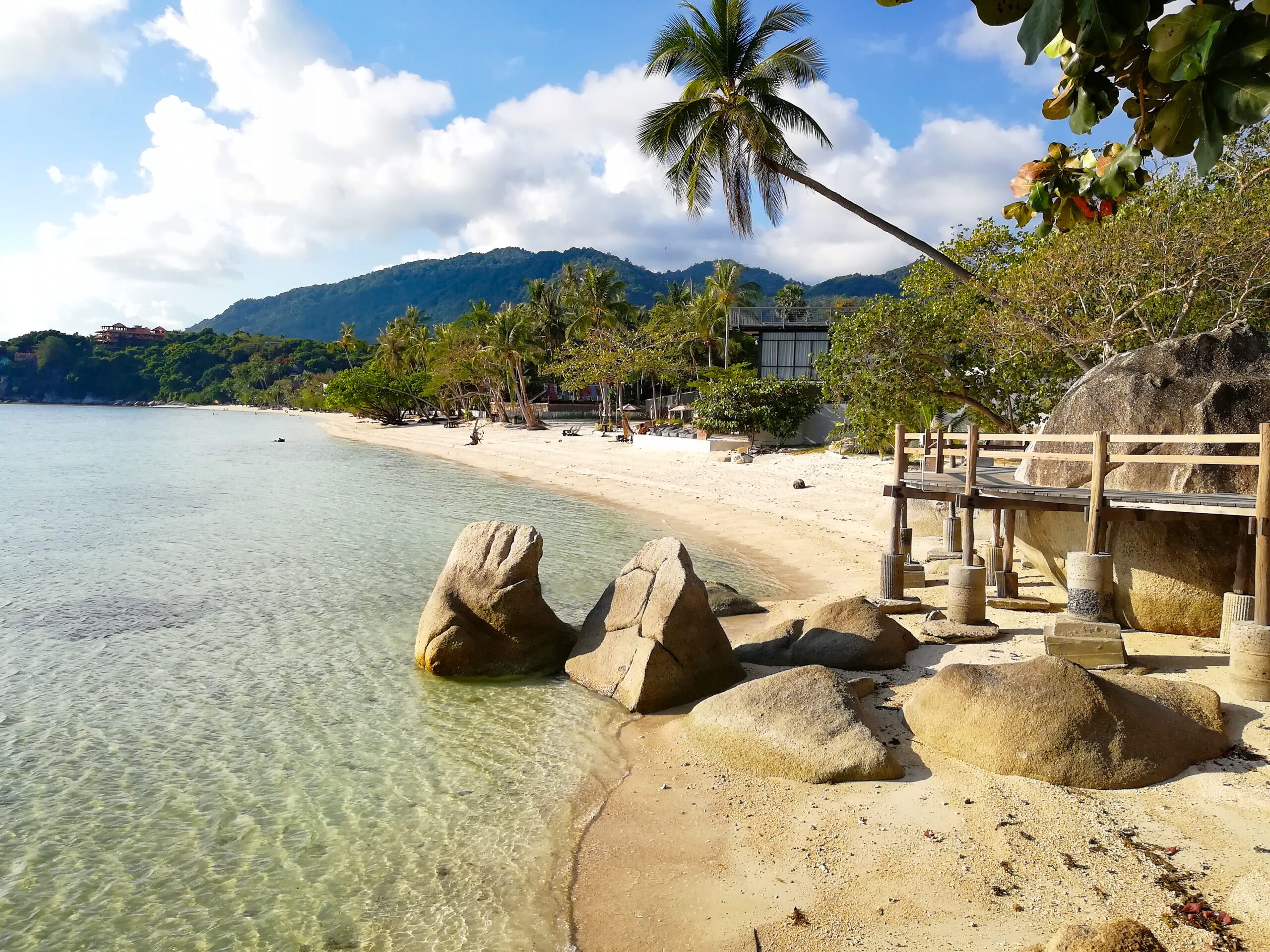
Koh Phangan Guide: Living, Areas, Property & Island Life
Koh Phangan is often introduced as Thailand’s famous party island, but that description misses much of what makes the island interesting. Beyond Haad Rin and the Full Moon Party, Koh Phangan has quiet beaches, fishing villages, tropical hills, residential communities, wellness centres, cafés, restaurants and an established international population.
It is also an island where people increasingly come for reasons other than a short holiday. Some stay for several months, some work remotely, some move with their families, some retire here and others are interested in renting or buying property.
That creates a very different set of questions from those asked by someone planning a three-day beach holiday.
What is Koh Phangan really like to live in? Which areas are best suited to different lifestyles? Where should you look for a long-term rental? What should you know about roads, electricity, water and internet? Can foreigners buy property? What should you investigate before buying a house, villa, apartment or land?
This guide looks at Koh Phangan from that broader perspective.
If you are simply visiting the island, it will help you understand where everything is and what the different areas are like. If you are considering staying longer, it goes further, covering everyday life, long-term rentals and the Koh Phangan property market.
For anyone thinking about buying property, the guide also explains the main issues that need to be understood before moving from an online property search to an actual purchase.
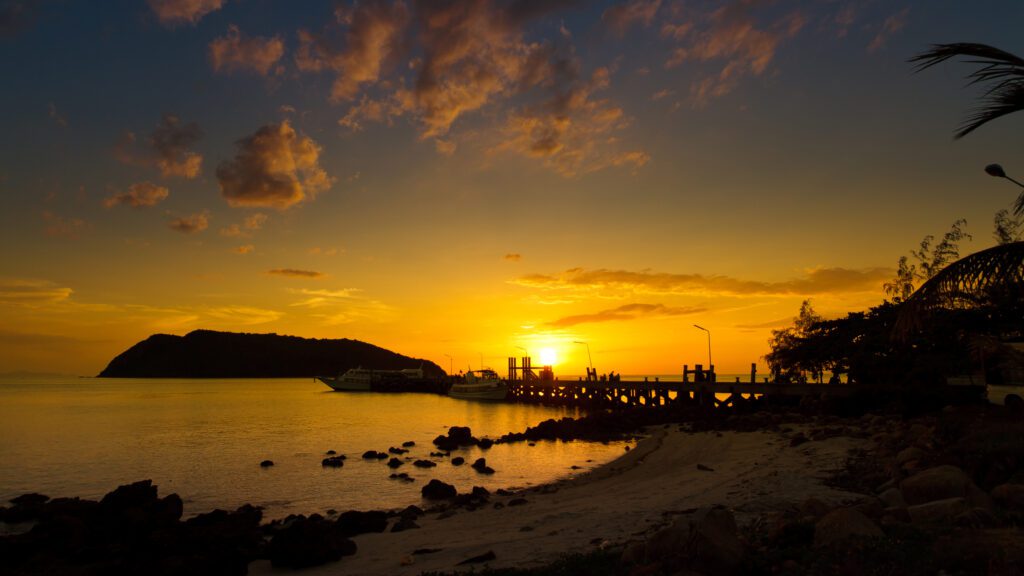
Koh Phangan at a Glance
Koh Phangan is located in the Gulf of Thailand in Surat Thani Province, north of Koh Samui and south of Koh Tao. It is a mountainous island with a mixture of developed coastal communities, beaches, forested hills and more rural areas.
Thong Sala is the main town and transport hub. From there, roads lead around the island towards the west coast, north, south and the more secluded eastern beaches.
The island is large enough for different communities to feel quite separate from one another. This is particularly important for people considering a longer stay. The experience of living in Thong Sala can be completely different from living in Sri Thanu, Haad Yao, Chaloklum or Thong Nai Pan.
| Area | General character |
|---|---|
| Thong Sala | Main town, shopping, services and transport |
| Sri Thanu | International, wellness, cafés and restaurants |
| Hin Kong | West coast, residential and convenient location |
| Haad Yao | Popular beach and west-coast lifestyle |
| Haad Salad | Quieter northern beach area |
| Ban Tai | Southern coastal area with restaurants and nightlife access |
| Ban Kai | Southern area between Ban Tai and Haad Rin |
| Haad Rin | Full Moon Party and nightlife |
| Chaloklum | Northern fishing community and quieter lifestyle |
| Thong Nai Pan | Northeastern beaches and more secluded island living |
There is no single area that can objectively be described as the best place in Koh Phangan. The right choice depends on what you need from the island.

Where Is Koh Phangan?
Koh Phangan sits in the Gulf of Thailand, approximately 15 kilometres north of Koh Samui. It forms part of a group of islands that also includes Koh Tao.
Most visitors reach Koh Phangan by boat. Ferries and speedboats connect the island with Koh Samui and the mainland, while Koh Samui’s airport provides the closest major airport connection.
This geography is worth understanding before choosing accommodation or property.
Koh Phangan is not a compact resort town where everything is within walking distance. Distances that look relatively short on a map can take considerably longer by road, particularly when travelling between coastal areas and locations inland or on the hillsides.
The island’s mountainous interior is one of the reasons it has retained large areas of natural surroundings, but it also means that roads can be steep and winding.
For a visitor staying for a few days, this may simply be part of the island experience. For somebody living here permanently, road access becomes an everyday consideration.

What Is Koh Phangan Really Like?
The simplest way to understand Koh Phangan is to think of it as several different lifestyles sharing one island.
Haad Rin is associated with international nightlife and the Full Moon Party. Sri Thanu has developed a strong wellness and international community. Thong Sala is the practical centre for shopping and everyday services. Ban Tai provides relatively convenient access to both the main town and southern areas. Chaloklum has a stronger fishing-village character, while Thong Nai Pan offers a more secluded northeastern beach environment.
Between these communities are residential areas, hillsides, small roads and properties that can feel surprisingly removed from the busier parts of the island.
This variety is one of the reasons people who initially visit Koh Phangan for a holiday sometimes return with the idea of staying longer.
It also explains why choosing the right location matters so much when renting or buying.
A person looking for a social international environment may be very happy in one part of the island and find another area too quiet. Someone looking for peace may have the opposite experience.
The question is therefore not simply whether Koh Phangan is right for you. It is whether the particular part of Koh Phangan you choose is right for the way you want to live.
Thong Sala: Koh Phangan’s Practical Centre
Thong Sala is the main town of Koh Phangan and the first point of contact for many visitors arriving by ferry.
It is also where the island’s practical side is most visible. Shops, markets, supermarkets, restaurants, cafés, banking services and other everyday businesses are concentrated in and around the town.
For someone visiting for a few days, Thong Sala may simply be somewhere to pass through on the way to the beach.
For someone living on Koh Phangan, it can be considerably more important.
The convenience of being relatively close to everyday services should not be underestimated. Shopping for groceries, collecting supplies, dealing with administrative tasks or travelling to the ferry becomes much easier when you are based close to the island’s main commercial centre.
Thong Sala is not generally the first choice for someone whose main priority is secluded beachfront living. Instead, its strength is practicality.
This makes the wider Thong Sala area particularly worth considering for families, retirees, people who spend significant amounts of time on the island and anyone who prefers convenience over isolation.
There are also properties outside the busiest part of town that provide a more residential environment while retaining relatively easy access to services.
Sri Thanu: Wellness, Community and International Living
Sri Thanu has developed a very distinctive identity within Koh Phangan.
The area is closely associated with yoga, wellness, healthy food, cafés and an international community. It has become one of the places on the island most familiar to people who arrive for extended stays rather than conventional package holidays.
This makes Sri Thanu particularly interesting for remote workers, entrepreneurs, wellness visitors and international residents.
There is a social aspect to living here that can be important for people arriving on the island without an established local network. Restaurants, cafés and wellness businesses provide places where residents and visitors naturally meet.
The area also has property appeal.
Long-term tenants may want to be close to the community, while short-term visitors may be interested in the area’s established wellness reputation. That can create several different types of potential rental demand.
However, Sri Thanu should not be treated as one uniform neighbourhood.
Properties closer to the main road and established businesses can be quite different from properties further inland or higher on the hills.
When looking at property here, the exact position matters more than simply seeing “Sri Thanu” in the listing.
Hin Kong: Convenient West-Coast Living
Hin Kong sits on the west coast between Thong Sala and Sri Thanu.
Its location makes it attractive to people who want access to the international and wellness community while remaining relatively close to Thong Sala.
The area has become increasingly residential, with houses, villas, apartments, restaurants and cafés spread across the neighbourhood.
Hin Kong can work particularly well for people who want a balance.
You can reach Thong Sala relatively easily, while Sri Thanu and the wider west coast are also close by.
For remote workers, the combination of accommodation, cafés and access to nearby services can be useful.
The coastline itself is different from the classic swimming beaches found elsewhere on the island. Tides and shallow water can affect the experience, so someone choosing a property specifically for swimming should visit the location rather than relying on photographs.
Haad Yao: One of Koh Phangan’s Best-Known Beaches
Haad Yao is one of the island’s most recognisable west-coast beaches.
It combines a tropical beach setting with a reasonable selection of restaurants, accommodation and services, making it popular with both holidaymakers and longer-term visitors.
The area can be attractive to people who want the feeling of living near a beach without being completely removed from the west-coast community.
For property buyers, Haad Yao’s established visitor recognition can also make the area interesting from a rental perspective.
However, proximity to the beach should not be the only consideration.
A rental property needs to be accessible, comfortable, properly maintained and appropriate for the type of tenant being targeted. A house with a beautiful sea view but difficult road access may not perform in the same way as a conveniently located property with less dramatic views.
Haad Salad: Quieter Beach Living
Haad Salad is located further north along the west coast and generally has a quieter feel.
It can suit people who want a beach environment without being in the middle of the island’s busier communities.
The area is also a useful reminder that “quiet” and “convenient” are not necessarily the same thing.
The further you move from the main centres, the more important transport, road access and property infrastructure become.
Anyone considering a long-term rental or purchase around Haad Salad should therefore look beyond the beach itself.
How easy is the property to reach? What is the road like after heavy rain? Is there reliable electricity and water? How long does it take to reach a supermarket? Is the internet suitable for working from home?
Those questions can have more impact on long-term satisfaction than the distance from the beach.
Ban Tai: Southern Convenience and Social Life
Ban Tai runs along the southern coast between Thong Sala and Haad Rin.
Its location is one of its biggest advantages.
You are relatively close to Thong Sala while also having convenient access to the southern part of the island.
The area has restaurants, accommodation, residential properties and businesses and can suit people who want a social environment without living directly in Haad Rin.
Ban Tai is also relevant to people working remotely because of its combination of accommodation, food, cafés and relatively convenient road connections.
For property investors, the area can be interesting because it sits between the main commercial centre and the island’s major nightlife destination.
Again, though, the individual property matters more than the area label.
Ban Kai: Between Ban Tai and Haad Rin
Ban Kai sits further south and provides access to both Ban Tai and Haad Rin.
It can be suitable for people who want to be close to the southern social scene while remaining outside the busiest part of Haad Rin itself.
The area contains a mixture of properties, from simpler accommodation to larger houses and villas.
When considering a property here, think carefully about its intended use.
A property designed for holiday visitors may have different requirements from a property aimed at a long-term tenant. Parking, access, internet, outdoor space and proximity to services can all affect the potential tenant market.
Haad Rin: The Full Moon Party Area
Haad Rin is the name most closely associated with Koh Phangan’s international reputation.
It is home to the Full Moon Party and becomes particularly busy around major events.
For visitors specifically travelling to Koh Phangan for nightlife, this makes Haad Rin a natural choice.
For long-term living, however, the equation is different.
Someone who enjoys nightlife and wants to be close to events may appreciate the location. Someone seeking a quiet home environment may prefer another part of the island.
For property investors, it is equally important to understand the target market. Haad Rin’s visitor demand can be highly different from the long-term residential market elsewhere on the island.
This is why tourism popularity should not automatically be interpreted as a reason to buy property.
Chaloklum: Northern Koh Phangan
Chaloklum has a different character from the more internationally focused areas of the west and south.
It has traditionally been associated with fishing and remains one of the island’s more recognisable local communities.
For people wanting a quieter lifestyle and a stronger connection with everyday island life, Chaloklum can be an appealing option.
The northern location also means that residents are somewhat removed from the busiest areas around Thong Sala, Sri Thanu and Haad Rin.
That separation can be exactly what attracts people to the area.
For others, particularly those who need to travel frequently to Thong Sala, it may be less convenient.
Thong Nai Pan: Northeastern Beach Living
Thong Nai Pan is located on the northeastern side of Koh Phangan and is known for Thong Nai Pan Yai and Thong Nai Pan Noi.
The area feels more removed from the main commercial centre than much of the western coast.
That creates a particular type of lifestyle.
The beaches and surroundings can appeal to people looking for peace and a stronger sense of getting away from the busier parts of the island.
At the same time, the distance from Thong Sala means everyday journeys require more planning.
For someone renting for a few weeks, this may not matter.
For someone buying a permanent home, it deserves serious consideration.
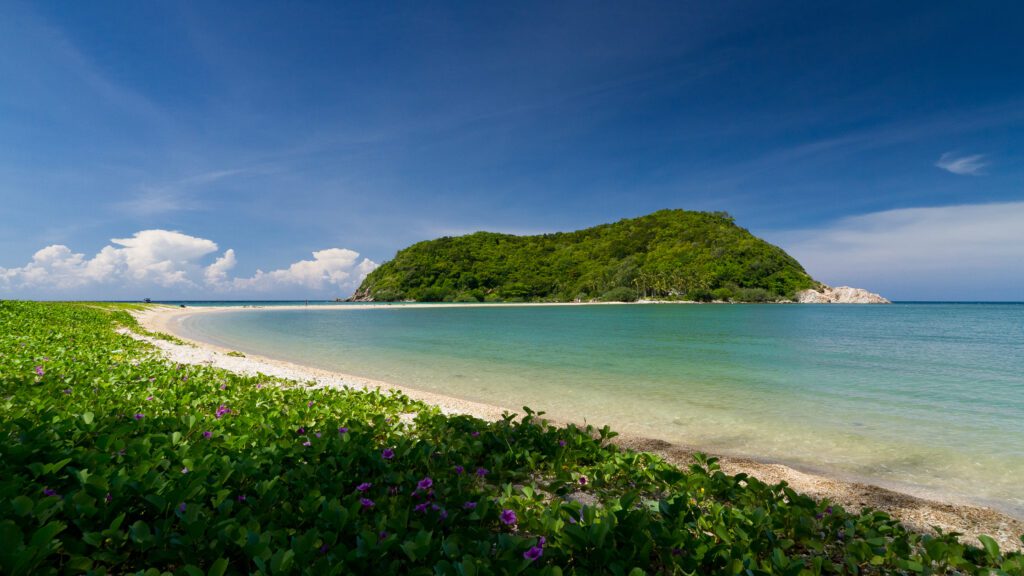
Choosing the Right Area of Koh Phangan
There is no universal answer to the question “Where is the best area in Koh Phangan?“
Instead, start with how you intend to use the island.
If you want convenience and easy access to everyday services, Thong Sala deserves consideration.
If you want an international community with a strong wellness culture, Sri Thanu may be more appropriate.
If you want a combination of west-coast living and access to Thong Sala, Hin Kong can be interesting.
If the beach is central to your lifestyle, Haad Yao, Haad Salad and Thong Nai Pan offer very different versions of beach living.
If nightlife is important, the southern areas around Ban Tai, Ban Kai and Haad Rin are likely to be more relevant.
If peace and distance from the busiest parts of the island are priorities, Chaloklum and Thong Nai Pan are worth investigating.
The important thing is to visit the actual locations.
A property listing cannot tell you everything about an area.

Living in Koh Phangan
Living on Koh Phangan can be extremely rewarding, but island life comes with practical considerations that are easy to overlook during a holiday.
During a short visit, you may spend your days at the beach, eat in restaurants and travel around the island.
Living here means thinking about groceries, laundry, internet, electricity, water, transport, healthcare, work, maintenance and weather.
The difference becomes particularly obvious when you move away from the main centres.
A house on a hillside may provide excellent views and privacy but require a vehicle and a steep drive every time you want to go shopping.
A property close to Thong Sala may have less privacy but make everyday life much easier.
Neither is inherently better.
They simply suit different people.
This is why spending time on the island before buying is so valuable.
Getting Around Koh Phangan
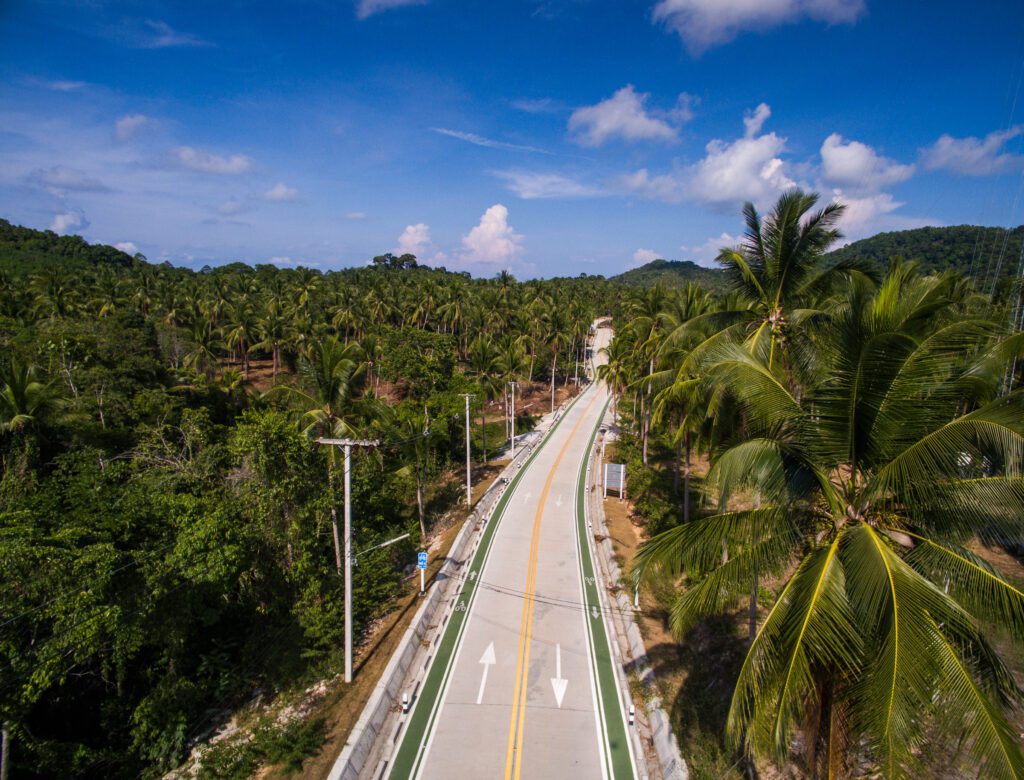
For most long-term residents, transport is an important part of island life.
Motorbikes are common and can be convenient, but road conditions and gradients should be taken seriously, particularly for inexperienced riders.
Cars can provide greater comfort and practicality, especially for families, older residents and people carrying groceries or equipment.
The road between two locations can also be very different from the final access road to a property.
This is particularly relevant when buying or renting a house or villa.
A property might have excellent access for most of the journey and then require a steep, narrow or unpaved final section.
Always inspect the entire route.
Roads, Rain and Drainage
Koh Phangan experiences tropical rainfall, and heavy rain can expose problems that are not obvious during dry weather.
Road drainage is therefore an important part of assessing property.
Water running down a hillside can affect roads, driveways and retaining structures. Poor drainage can make an otherwise manageable access road difficult during periods of heavy rain.
If you are viewing a property for purchase, look at the surrounding land rather than concentrating only on the building.
Where does water go?
Is there drainage?
Are retaining walls in good condition?
Does the access road appear designed to handle heavy rainfall?
These are not glamorous questions, but they are exactly the kind of practical issues that can matter significantly over the course of property ownership.
Electricity in Koh Phangan
Electricity should be treated as a property-specific issue.
When renting, confirm how electricity is billed and whether the property is connected to the relevant supply.
When buying, understand the infrastructure serving the property and whether there are any unusual arrangements or additional costs.
This becomes even more important for larger properties with swimming pools, multiple air-conditioning units, water pumps and other significant electricity requirements.
A property’s monthly operating cost can be very different from what a buyer initially expects if the infrastructure and consumption are not understood.
Water Supply
Water is another important consideration.
Properties on Koh Phangan may use different combinations of water sources and storage arrangements.
Some properties have access to established supplies, while others may rely on wells, tanks or delivered water.
The important question is not simply whether a property “has water”.
It is whether the water system is suitable for the property and its intended use.
A small home occupied by two people has different requirements from a large rental villa with several bathrooms, a swimming pool and a full occupancy schedule.
Ask about storage capacity, supply reliability, delivery arrangements and previous shortages.

Internet and Working From Koh Phangan
For many people considering Koh Phangan in 2026, internet is no longer an optional extra.
Remote work has become an important part of island life, and a growing number of residents need reliable connectivity for their income.
This changes the way a property should be viewed.
Do not simply ask whether Wi-Fi is available.
Test the connection.
Run a speed test from the actual room where you intend to work.
Check whether mobile coverage is strong.
Ask how the connection is provided and whether previous occupants have experienced interruptions.
A property with excellent views but unreliable internet can quickly become frustrating for someone working online.

Living in Koh Phangan as a Digital Nomad
Koh Phangan has developed a strong appeal among remote workers and internationally minded residents.
Sri Thanu is particularly well known for this, while Hin Kong and Thong Sala can also provide a useful combination of accommodation, cafés, restaurants and everyday services.
The best property for a digital nomad is not necessarily the best holiday property.
A remote worker may value a quiet room with a proper desk, strong internet, reliable electricity and good mobile coverage more than a swimming pool or dramatic view.
When searching for a long-term rental, think about the working day rather than the holiday brochure.

Living in Koh Phangan With a Family
Families need to evaluate the island differently.
Schools, healthcare, supermarkets and reliable transport become much more important than they are for a short-term visitor.
The property itself also needs to work for family life.
Space, storage, outdoor areas, stairs, swimming pools, fencing, parking and road access all become relevant.
A family may also want to minimise the amount of time spent driving every day.
This is one reason areas around Thong Sala, Sri Thanu, Hin Kong and Ban Tai can be worth considering.
The right choice ultimately depends on where the family needs to go on a regular basis.

Retiring in Koh Phangan
Koh Phangan can appeal to retirees looking for a tropical environment and a slower pace of life.
But retirement property should be chosen for practicality as well as appearance.
A hillside house with an incredible view may be attractive, but if access is difficult or the property is far from everyday services, it may not be the most comfortable long-term option.
Healthcare, pharmacies, supermarkets, restaurants and transport connections should all be considered.
It is also worth thinking about future accessibility.
A property that requires navigating steep stairs or a difficult road may become less suitable if circumstances change.
For this reason, renting before buying can be particularly valuable for retirees.

Cost of Living in Koh Phangan
There is no single cost of living figure that applies to everyone on Koh Phangan.
The largest variable for many people is accommodation.
Someone renting a simple long-term property and eating locally can have a very different monthly budget from someone renting a large villa, dining frequently in international restaurants and travelling regularly to Koh Samui or the mainland.
Transport is another major variable.
Living close to Thong Sala or another service centre can reduce travel time and fuel costs. Living in a remote hillside property may provide privacy but increase the amount of driving required.
Utilities also need to be considered.
When comparing properties, look beyond the advertised rent and calculate the complete monthly cost.
A property with a lower headline rent can sometimes become more expensive once electricity, water, internet, cleaning, pool maintenance and transport are included.

Renting Property in Koh Phangan
The Koh Phangan rental market covers a wide range of accommodation.
There are simple apartments, houses, villas, serviced apartments and properties aimed primarily at short-term visitors.
Rental prices can change significantly depending on location, season, property quality, contract length and demand.
The most important thing for a prospective tenant is to understand exactly what is included.
Before signing a long-term rental agreement, clarify the monthly rent, deposit, electricity, water, internet, cleaning, maintenance and any other recurring costs.
Also ask who is responsible for repairs.
If there is a swimming pool, establish who maintains it.
If there is a garden, establish who handles gardening.
And if electricity is charged separately, confirm the actual rate rather than assuming it is included in the rent.
Whenever possible, view the property in person before making a payment.
Long-Term Rentals in Koh Phangan
Long-term rental demand exists across several parts of the island, but different locations attract different types of tenants.
Thong Sala can appeal to people who prioritise convenience.
Sri Thanu can attract international residents, wellness visitors and remote workers.
Hin Kong can offer a balance between the west-coast community and Thong Sala.
Ban Tai can appeal to people who want access to restaurants, social life and the southern part of the island.
Haad Yao can attract people who prioritise beach living.
The important thing is to match the rental property with the tenant’s actual requirements.
This is equally important for landlords and investors.

Koh Phangan Real Estate
The Koh Phangan property market is not one single market.
It includes houses, villas, apartments, serviced apartments, land and properties intended for holiday or long-term rental.
Each category has different considerations.
A buyer looking for a permanent home will assess a property differently from someone looking for an investment.
A person searching for a holiday-rental property may prioritise beach access and visitor appeal.
A long-term rental investor may place greater importance on schools, supermarkets, workplaces and everyday convenience.
A buyer interested in land needs to consider title, access, utilities, planning restrictions and development potential.
The first step is therefore to decide what you want the property to achieve.

Buying Property in Koh Phangan as a Foreigner
Foreign buyers need to understand that property ownership in Thailand depends heavily on the type of property and the legal structure involved.
One of the clearest examples is condominium ownership.
Under Thailand’s applicable condominium rules, qualifying condominium units can be owned by foreigners subject to the relevant requirements and foreign ownership quota. Official Thai government information states that foreign ownership in a condominium cannot exceed 49% of the total area of all units in the condominium.
Land is different.
Foreigners generally cannot simply purchase and own Thai land in their own name.
There are limited statutory exceptions with specific conditions. Official Thai government information describes an exception involving a substantial investment, residential use, a maximum land area and approval from the relevant authority.
For most foreign buyers considering a house, villa or land-based property, this means the ownership structure needs to be understood before proceeding.
This is not an area where buyers should rely on a sales agent, online forum or informal advice.
A qualified Thai property lawyer should review the specific transaction.
Can Foreigners Buy a House in Koh Phangan?
This question requires an important distinction.
The house or building and the land underneath it are separate considerations.
A foreign buyer therefore needs to understand exactly what is being acquired and what rights come with it.
A property advertised as a “house for sale” may involve a particular ownership structure, lease arrangement or other legal framework.
The fact that a property is available to a foreign buyer does not mean that the buyer will own the underlying land in the same way as a Thai citizen.
Before signing anything, establish precisely:
What am I buying?
Who owns the land?
What rights will I have over the property?
How long do those rights last?
How are they registered?
What happens if the property is sold or transferred later?
These questions should be answered in writing and reviewed independently before committing funds.
Can Foreigners Buy Land in Koh Phangan?
The general rule is that foreigners cannot freely own Thai land directly.
Thailand’s government information describes limited exceptions subject to specific statutory requirements. One such exception involves a minimum investment of 40 million baht, residential use, a maximum area of one rai and approval from the Minister of Interior.
This is not the standard route used by most foreign property buyers.
Anyone considering purchasing land in Koh Phangan should therefore obtain independent legal advice before entering into a transaction.
This is particularly important because land may appear inexpensive or attractive while having limitations involving access, title, zoning, development or utilities.
Buying a Condominium in Koh Phangan
For some foreign buyers, a qualifying condominium can provide a more straightforward ownership route than land-based property.
The key issue is whether the development is legally a condominium and whether sufficient foreign ownership quota remains available.
The buyer should confirm the condominium’s legal status, the available foreign quota, the required documentation and the process for transferring the unit.
Official Thai guidance identifies documentation from the condominium juristic person concerning the foreign ownership proportion as part of the transfer process.
The buyer should also investigate management fees, sinking funds, building maintenance, rental restrictions and any rules that affect the intended use of the unit.
Buying a House or Villa as an Investment
A house or villa can be attractive as an investment, but rental income should never be assumed simply because the property looks appealing.
The first question should be:
Who is the target tenant?
A beachfront villa aimed at holidaymakers has a different market from a two-bedroom house intended for a family on a long-term contract.
A property close to Sri Thanu may appeal to wellness visitors and remote workers.
A property near Haad Rin may depend more heavily on event-driven tourism.
A house close to Thong Sala may be more relevant to residents who prioritise everyday convenience.
Once the target market is understood, the property can be assessed more realistically.
This includes purchase price, financing, ownership structure, maintenance, management, utilities, insurance, repairs, occupancy, seasonality and eventual resale.
Property Due Diligence in Koh Phangan
One of the biggest differences between renting and buying is the amount of investigation required.
A rental viewing is primarily about deciding whether you want to live in the property.
A purchase requires you to establish what you are actually buying.
Title documentation should be checked. Ownership should be verified. Boundaries should be understood. Access should be investigated. Building documentation should be reviewed where relevant.
Utilities need to be understood.
Any existing leases, tenants or registered rights should be investigated.
The proposed ownership structure should be reviewed by a qualified Thai lawyer.
Official Thai government guidance identifies documentation relating to the property, transferor and foreign buyer, together with evidence concerning funds, as part of property registration procedures.
This is why a professional property transaction should involve proper due diligence rather than simply moving from viewing to deposit.
Access Rights and Property in Koh Phangan
Access deserves special attention on the island.
A property can be physically accessible but still require careful investigation of the legal access arrangements.
If a road crosses another person’s land, for example, the buyer needs to understand what rights exist and whether those rights are properly documented.
This is particularly important with hillside properties and land purchases.
Never assume that because people have been using a road for years, the legal position is automatically clear.
A lawyer should investigate the relevant documents and registered rights.
Property Boundaries and Land
Thailand’s land documentation needs to be understood in relation to the physical property.
The land shown on a listing photograph is not necessarily enough to establish the legal boundary.
Before buying land or a land-based property, the buyer should ensure that the documentation and physical boundaries are properly investigated.
This is particularly important where neighbouring properties, roads, walls, gardens or buildings sit close to the apparent boundary.
A professional survey may be appropriate depending on the transaction.
Electricity, Water and Infrastructure When Buying
A buyer should investigate utilities before purchasing, particularly when considering undeveloped land or properties in less established areas.
Ask how electricity reaches the property.
Ask about water.
Ask whether the road is suitable for construction vehicles if development is planned.
Ask about internet availability.
Ask whether there are any additional infrastructure costs.
A plot of land may look attractive on a map but become substantially more expensive to develop if utilities or access require significant work.
Infrastructure should therefore be part of the purchase calculation.
Property Purchase Costs in Thailand
The agreed property price is not the complete cost of a transaction.
Depending on the property and transaction, there can be transfer fees, taxes, withholding tax, specific business tax or stamp duty, together with legal and other professional costs.
Thai government information currently identifies a 2% transfer fee against the applicable property value basis and sets out other taxes and fees that may apply depending on the circumstances.
The exact costs and how they are divided between buyer and seller should be confirmed before signing.
A buyer should ask for a complete estimated transaction-cost breakdown rather than discovering additional expenses shortly before transfer.
Should You Rent Before Buying in Koh Phangan?
For people who are unfamiliar with the island, renting before buying can be extremely useful.
You may think you want to live on the west coast until you discover that you regularly need to travel to Thong Sala.
You may think a secluded hillside property is ideal until you experience the road during heavy rain.
You may choose a location because it looks beautiful in photographs and later discover that the internet is not suitable for your work.
These are difficult things to understand from a property portal.
Living in the area first gives you a much clearer picture.
For many prospective buyers, a long-term rental is therefore not simply accommodation.
It is part of the property research process.
Koh Phangan vs Koh Samui
Koh Phangan and Koh Samui are close neighbours, but they are not interchangeable.
Koh Samui has a larger population, an international airport, extensive infrastructure and a mature tourism and hospitality market.
Koh Phangan has a more dispersed pattern of communities and is particularly associated with beaches, wellness, remote work, alternative lifestyles and island living.
For property buyers, this creates different considerations.
Someone who travels internationally every few weeks may place a high value on direct airport access.
Someone who works remotely and wants a quieter island environment may prioritise something completely different.
Someone investing in tourism accommodation needs to understand the different visitor markets on each island.
The comparison should therefore be based on your intended lifestyle and investment model rather than simply asking which island is better.

Is Koh Phangan a Good Place to Live?
For people who enjoy island life, Koh Phangan can offer an unusual combination of natural surroundings, beaches, international communities, wellness, restaurants and a relatively relaxed lifestyle.
But it is not a city.
That distinction matters.
Services are more concentrated. Transport is more dependent on roads. Some properties are remote. Weather can affect access and infrastructure. A vehicle may be useful or necessary depending on where you live.
People who understand those realities and choose their location accordingly can have a very different experience from someone who moves to the island without considering the practical side.
The best approach is to decide what you need from everyday life and then choose your area around those needs.

Is Koh Phangan Good for Property Investment?
There are genuine reasons why people investigate Koh Phangan property as an investment.
The island has an established international tourism market, a growing long-stay community and demand for different accommodation types.
But that does not mean every property is a good investment.
Property investment needs to be assessed at the individual level.
Location, purchase price, legal structure, access, construction, rental demand, management costs, maintenance and seasonality all matter.
The intended tenant matters too.
A property that appeals strongly to tourists may not be appropriate for long-term rental.
A property that works well for a long-term tenant may not generate the same holiday-rental revenue.
The investment case should therefore start with a realistic business model rather than an assumption about future prices.

What to Check Before Renting or Buying
The practical checklist below is useful for both renters and buyers, although buyers need to take the investigation considerably further.
| Question | Why it matters |
|---|---|
| Where exactly is the property? | Area names can cover very different locations |
| How is the property accessed? | Final roads may be steep or difficult |
| What happens during heavy rain? | Drainage can affect access |
| How is electricity supplied? | Determines reliability and operating costs |
| Where does water come from? | Supply and storage vary |
| Is internet suitable? | Essential for remote work |
| What is nearby? | Affects everyday convenience |
| Is there construction nearby? | Can affect views, noise and value |
| Who owns the property? | Essential for buyers |
| What title or ownership structure applies? | Determines what is actually being acquired |
| Is access legally documented? | Particularly important for land |
| What taxes and fees apply? | Determines total acquisition cost |

Why Local Knowledge Matters When Buying Property in Koh Phangan
Property websites are useful for finding opportunities, but they cannot replace local knowledge.
A listing can show you a swimming pool, bedroom count and sea view.
It cannot necessarily tell you whether the access road becomes difficult during heavy rain.
It may not explain the practical difference between living near Thong Sala and living on a remote hillside.
It may not tell you that a property advertised as being near a particular beach requires a long journey on a steep road.
This is where a local real estate professional can add value.
Fairfax Real Estate works with buyers and renters looking for property in Koh Phangan and other areas of Thailand. We help clients explore properties, arrange viewings and understand the practical differences between locations. Where appropriate, we can also coordinate legal and translation services and assist with negotiations through the transaction process.
The objective is not simply to find a property that looks good online.
It is to help you understand the property, its location and the practical considerations before making a decision.

Frequently Asked Questions About Koh Phangan
Is Koh Phangan only a party island?
No. The Full Moon Party is one part of Koh Phangan, but the island also has established residential communities, wellness centres, fishing villages, family-oriented areas, quiet beaches and a substantial international population.
What is the best area to live in Koh Phangan?
There is no single area that suits everyone. Thong Sala is particularly practical, Sri Thanu is known for its international and wellness community, Hin Kong offers west-coast convenience, while Haad Yao, Haad Salad, Chaloklum and Thong Nai Pan offer different versions of quieter or beach-oriented living.
Is Koh Phangan good for long-term living?
Koh Phangan can be suitable for long-term residents who enjoy island life. The most important consideration is choosing an area that fits your everyday needs for transport, services, work, healthcare and accommodation.
Can foreigners buy property in Koh Phangan?
Foreigners can acquire certain types of property in Thailand subject to applicable laws and requirements. Qualifying condominium units can generally be owned by foreigners within the applicable foreign ownership quota, while land ownership is considerably more restricted.
Can foreigners buy land in Koh Phangan?
Generally, foreigners cannot freely own Thai land directly. There are limited statutory exceptions with specific requirements.
Can foreigners buy a house in Koh Phangan?
The answer depends on the property’s legal structure and the rights being acquired. The ownership of a building and the ownership of the underlying land should be considered separately. Independent legal advice is essential before purchasing.
Is it better to rent before buying?
Renting first can be a useful way to understand an area before committing to a major purchase. It allows you to experience roads, weather, noise, internet, utilities and everyday travel.
Which areas are popular with digital nomads?
Sri Thanu, Hin Kong and Thong Sala are particularly relevant because they have established international communities, cafés, restaurants and services. Individual property connectivity should still be tested.
Which areas are quieter?
Chaloklum, Haad Salad and Thong Nai Pan can provide quieter environments, although the exact location and distance from services should always be considered.
Is Koh Phangan suitable for families?
It can be, but families should investigate schools, healthcare, supermarkets, road access, utilities, space and everyday travel before choosing an area.
What should I check before renting a house in Koh Phangan?
Confirm the exact location, access road, rent, deposit, electricity, water, internet, maintenance, contract terms and any additional charges. View the property in person whenever possible.
How much does property cost in Koh Phangan?
There is no single island-wide property price. Values vary according to location, land size, title, access, views, construction, property type, ownership structure and development potential.
Should I buy property in Koh Phangan as an investment?
The answer depends on the individual property and investment model. Rental demand, purchase price, ownership structure, operating costs, maintenance, seasonality and resale prospects all need to be investigated.

Find Property in Koh Phangan
Choosing property in Koh Phangan should begin with the way you intend to live.
If you want convenience, start by exploring areas close to everyday services.
If you want a strong international community, investigate places such as Sri Thanu and Hin Kong.
If the beach is central to your lifestyle, spend time around Haad Yao, Haad Salad or Thong Nai Pan.
If you want access to nightlife, look at the southern areas around Ban Tai, Ban Kai and Haad Rin.
Once you understand the areas, start comparing properties.
Fairfax Real Estate can help you explore houses for sale, villas, apartments, land, houses for rent and longer-term property opportunities in Koh Phangan, as well as property in other parts of Thailand.
For renters, the priority is finding a property that works for everyday life.
For buyers, the process needs to go further, including understanding ownership, title, access, utilities, costs and legal due diligence.
Koh Phangan is not one property market and it is not one lifestyle.
The right approach is to understand the island first, choose the area that fits your plans, and then find the property that fits that area.