Where Are Foreigners Buying Property in Thailand in 2026? Latest Details!
Thailand continues to attract foreign property buyers in 2026, but international demand is spread across several very different property markets.
Foreign buyers are purchasing condominiums in Bangkok, Phuket and Pattaya, considering villas and lifestyle properties in Phuket and Koh Samui, looking at houses, villas, apartments and other developments on Koh Phangan, and choosing destinations such as Chiang Mai and Hua Hin for longer-term living.
However, understanding where foreigners are buying property in Thailand in 2026 requires more than listing popular destinations.
The type of property being purchased, the reason for buying, the local rental market, infrastructure, access to services and, increasingly, the legal ownership structure all have to be considered.
This last point has become particularly important in 2026.
Thailand has significantly increased enforcement against nominee arrangements in which Thai individuals or companies are allegedly used to hold land or operate businesses on behalf of foreigners in order to circumvent restrictions on foreign ownership or control. Koh Samui and Koh Phangan were among the first destinations targeted in the current nationwide enforcement campaign, with authorities subsequently indicating that investigations would extend to other major tourist destinations including Phuket, Krabi, Phang Nga, Pattaya and Hua Hin.
For anyone considering a villa, house or land-based property, this means that where you buy and how you own it are now closely connected questions.
This guide looks at the major areas attracting foreign property buyers in 2026, what they are buying, why these markets appeal to international purchasers and what buyers should understand about ownership, nominee structures, leasehold and due diligence before committing to a property.
Important: This article provides general information and is not legal, tax or financial advice. Thai property law and enforcement practices can change, and the correct ownership structure depends on the individual buyer and property. Foreign buyers should obtain independent advice from a qualified Thai lawyer before committing to a purchase.

Where Are Foreigners Buying Property in Thailand in 2026?
Foreign buyers are active in several established Thai property markets.
Bangkok remains a major condominium market, with buyers attracted by employment, transport infrastructure, international schools, hospitals, shopping and the city’s large rental market.
Phuket has a broad international property sector covering condominiums, apartments, villas and resort developments.
Koh Samui has a strong lifestyle and villa market, attracting buyers interested in holiday homes, retirement and investment properties.
Koh Phangan has developed a distinctive international residential market, with demand extending beyond traditional tourism into wellness, remote working, long-term living and lifestyle property.
Pattaya remains an established international condominium and residential market, while Chiang Mai and Hua Hin attract foreign buyers looking for a different type of long-term lifestyle.
Krabi and other coastal destinations also attract international buyers, although their property markets are generally smaller and more localised.
The key point is that Thailand does not have one foreign property market.
Each destination has its own combination of property types, buyer profiles, rental demand, infrastructure and legal considerations.

Why Are Foreigners Buying Property in Thailand?
Foreign buyers come to Thailand for very different reasons.
Some want a permanent home or a place to spend several months each year.
Others are looking for a holiday property that can also generate rental income when they are not using it.
Some buyers are primarily investors, while others are retirees, remote workers, entrepreneurs or families relocating to Thailand.
There is also increasing overlap between these categories.
A buyer might initially purchase a property as a holiday home and later decide to live in Thailand for part of the year. Someone moving to Thailand for remote work may want a property that can also be rented when they travel.
This makes flexibility increasingly important.
The property should not only suit the buyer’s current plans. It should also make sense if those plans change.

Bangkok: A Major Foreign Condominium Market
Bangkok is one of the most established property markets for international buyers in Thailand.
Unlike the island markets, Bangkok’s foreign-facing residential market is heavily centred around condominiums.
This is partly because qualifying foreigners have a recognised route to owning condominium units on a freehold basis, subject to the requirements of Thailand’s Condominium Act and the applicable foreign ownership quota.
The Department of Lands confirms that foreign ownership of condominium units is subject to a maximum of 49% of the total area of all units in the condominium.
For foreign buyers, location within Bangkok can be just as important as the building itself.
Properties near BTS and MRT stations can appeal to residents and tenants who want convenient transport. Areas near international schools, hospitals, business districts and major shopping centres attract different types of buyers.
A foreign buyer looking at Bangkok therefore needs to identify the intended use first.
A condominium purchased as a long-term home should be evaluated differently from a unit purchased primarily for rental purposes.
What Are Foreigners Buying in Bangkok?
Condominiums dominate the foreign-facing residential market.
Buyers can range from people purchasing relatively compact city apartments to families looking for larger units in established residential areas.
The fact that a condominium can potentially be owned in foreign freehold does not, however, mean that every unit is suitable for a foreign purchaser.
The foreign quota needs to be checked for the specific condominium.
The buyer should also investigate the building’s financial position, common-area fees, sinking fund, maintenance standards, management and resale market.
A newer building with attractive facilities may compete directly with older properties nearby, while an established building may have advantages in location and management.
The individual project therefore matters just as much as the Bangkok neighbourhood.

Phuket: One of Thailand’s Largest International Property Markets
Phuket has one of the country’s most established international property markets.
Its combination of international tourism, established residential communities, beaches, restaurants, schools, hospitals and international air connections makes it attractive to several categories of foreign buyer.
The market includes condominiums, apartments, villas and resort-style developments.
Different parts of Phuket attract different buyers.
Some buyers prioritise proximity to beaches and tourism infrastructure. Others prefer quieter residential areas where they can live year-round.
For investors, the size of Phuket’s tourism economy can create substantial rental opportunities, but it also means competition between properties can be significant.
A property should therefore be assessed on its individual location, condition, management and rental proposition rather than simply because it is located in Phuket.
The 2026 Nominee Issue in Phuket
Phuket is particularly important to foreign buyers in 2026 because authorities have increased scrutiny of suspected nominee landholding arrangements.
In June 2026, Phuket authorities began a province-wide investigation into companies suspected of holding land on behalf of foreign nationals through shareholding structures designed to circumvent Thai land-ownership restrictions.
This does not mean that foreign buyers cannot purchase property in Phuket.
It means buyers need to distinguish between a legitimate ownership structure and a structure in which Thai shareholders are allegedly being used as nominees for a foreign person.
A Thai-majority company is not automatically unlawful simply because foreigners are involved.
The important question is what the company actually is and how it operates.
If Thai shareholders are genuine participants with genuine economic interests and the company has a legitimate commercial purpose, the situation is different from a structure in which Thai nationals merely hold shares on behalf of a foreign buyer who provides the money and exercises effective control.
This distinction should be investigated by an independent Thai lawyer before a foreign buyer proceeds.
Koh Samui: Strong Demand for Villas and Lifestyle Property
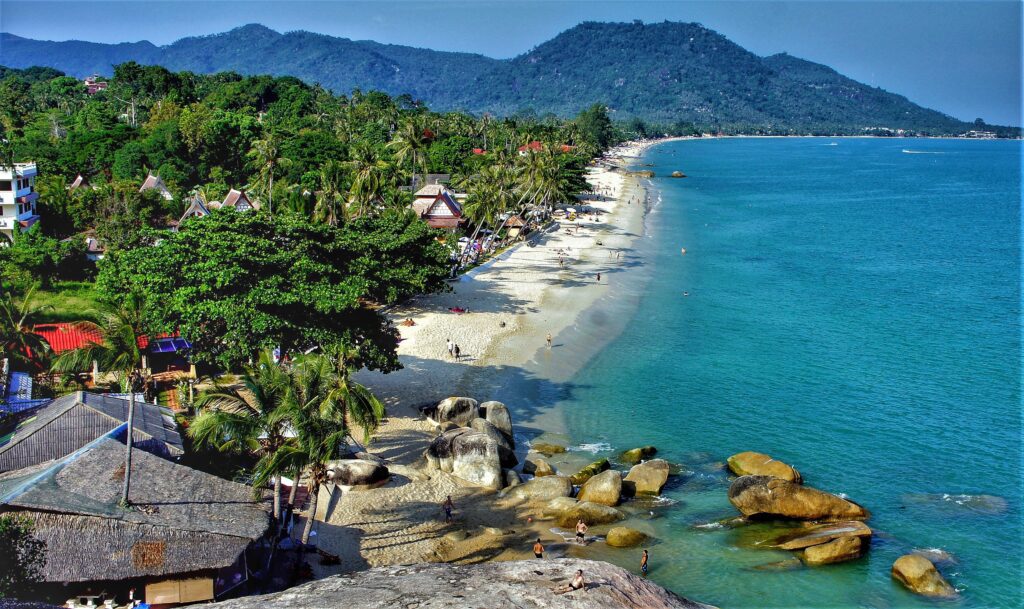
Koh Samui is one of Thailand’s most recognisable island property markets.
Foreign buyers are attracted by the island’s beaches, tourism infrastructure, international community, restaurants, schools, healthcare and established villa market.
Villas are particularly important to the island’s international property sector.
Buyers may be looking for a holiday home, a retirement property, a residence for part of the year or an investment property that can be rented when not in personal use.
But the legal structure is critical.
A foreign individual generally cannot simply purchase Thai land in freehold ownership in the same way as a Thai citizen.
This means that a foreigner buying a villa needs to establish exactly what is being purchased and how the land is legally held.
A villa advertised as “freehold” should therefore be investigated carefully rather than assumed to mean that a foreign individual will personally own the land.
Koh Samui and the 2026 Nominee Crackdown
Koh Samui has become one of the most important locations in Thailand’s 2026 nominee investigations.
The Department of Special Investigation and Department of Business Development identified Koh Samui and Koh Phangan as initial targets for proactive investigations into suspected nominee businesses. The DSI said its initial analysis covered 11,426 companies across the two destinations.
The investigation subsequently expanded.
In August 2026, authorities reported that a major Koh Samui investigation had resulted in 60 cases involving 59 suspected companies, 88 suspects and property linked to 37 plots of land and buildings with an estimated value of approximately THB 1.2 billion.
For a foreign villa buyer, this is highly relevant.
The issue is not that every villa owned through a company is automatically illegal.
The issue is whether a company has been structured and operated legitimately or whether Thai shareholders are effectively acting as nominees to allow a foreigner to control land that the foreigner could not legally own directly.
That distinction needs to be established before purchasing.

Koh Phangan: A Growing International Property Market
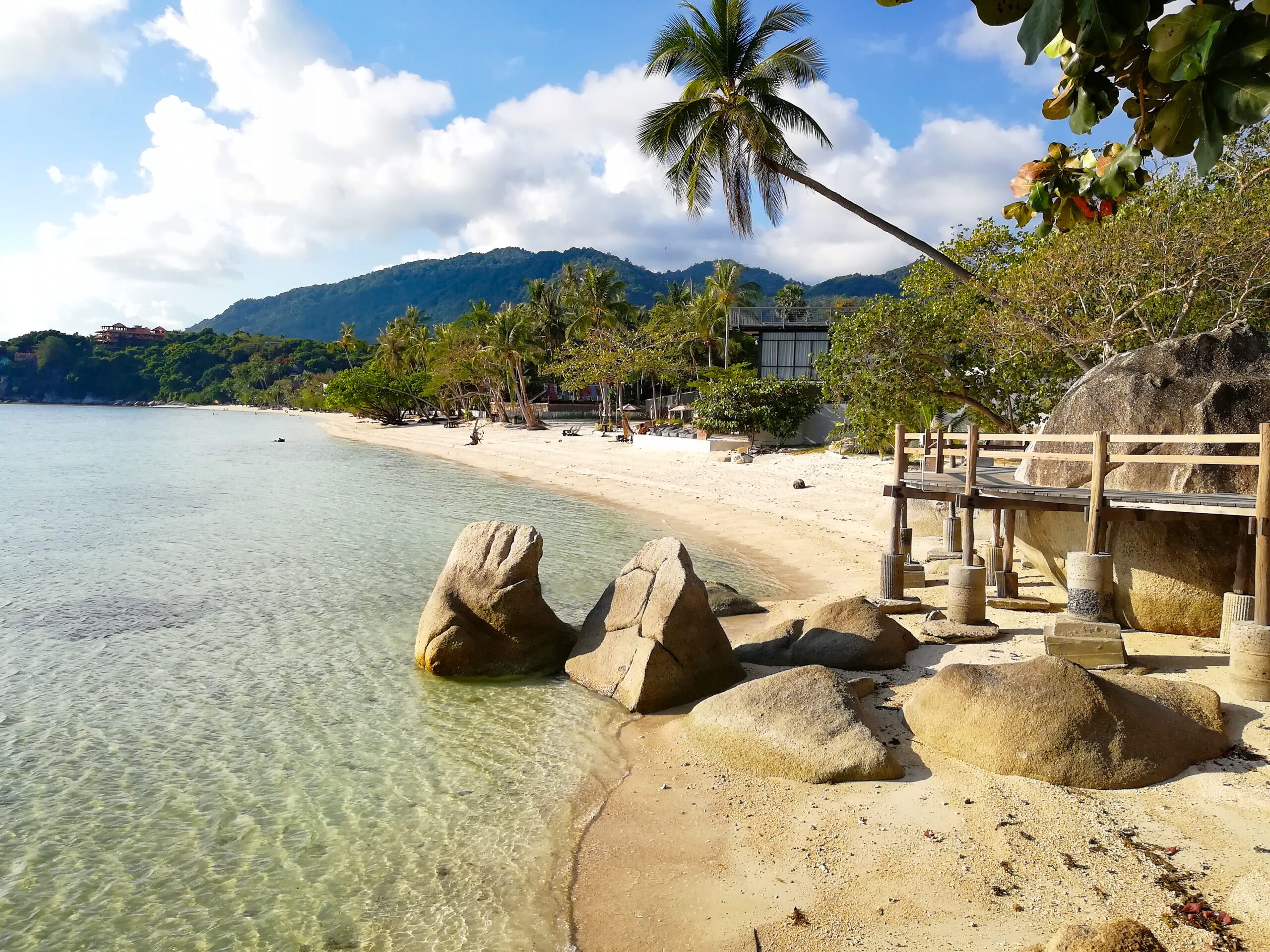
Koh Phangan has developed into a much broader international residential market than its traditional tourism reputation might suggest.
The island continues to attract holidaymakers, but it has also developed a substantial international community around wellness, yoga, remote working, cafés, long-term living and lifestyle businesses.
This has created demand for a variety of property types.
Foreign buyers may be interested in apartments, condominiums, houses, villas, serviced apartments, holiday properties and development opportunities.
The market is also highly localised.
Thong Sala offers convenience and access to everyday services.
Sri Thanu has a strong international and wellness-oriented community.
Hin Kong combines west-coast living with relatively convenient access to Thong Sala and Sri Thanu.
Haad Yao attracts buyers interested in beach living.
Ban Tai and Ban Kai offer different combinations of residential convenience, rental demand and access to the south of the island.
Chaloklum and Thong Nai Pan appeal to buyers seeking a different island environment.
For a foreign buyer, this means that choosing the right area can be just as important as choosing the right property.
Why Koh Phangan Is Particularly Relevant to Foreign Buyers in 2026
Koh Phangan is also one of the destinations where the 2026 legal developments have become particularly visible.
The DSI specifically identified Koh Samui and Koh Phangan as the initial focus of its nominee investigation campaign.
In May 2026, authorities conducted a major operation on Koh Phangan involving more than 300 officers, with investigations into companies suspected of nominee structures. Reporting from the operation described allegations involving illegal land possession and Thai shareholders allegedly being used to conceal foreign ownership.
Authorities also raided villas, commercial premises and a law office on the island in May as part of the wider investigation into suspected foreign nominee structures.
These developments are important for the property market because they change the due-diligence conversation.
A foreign buyer looking at a villa on Koh Phangan should not simply ask:
“Can a foreigner buy this villa?”
The better question is:
“What exactly will I legally own, who will own the land, and is the proposed ownership structure legitimate?”
That distinction is particularly important in 2026.
What Are Foreigners Buying on Koh Phangan?
Foreign buyers on Koh Phangan have different objectives.
Some are looking for a permanent home.
Others want a holiday property.
Some want a rental investment.
Others are interested in apartments, serviced accommodation or developments aimed at the island’s expanding international residential market.
Remote workers have also changed the characteristics buyers look for.
Reliable internet, electricity, water, road access and proximity to cafés and services can now be significant considerations.
A property with a beautiful view but poor road access may be less attractive to long-term tenants.
A villa with unreliable internet may struggle to attract remote-working residents.
A property that depends on a complex ownership structure may carry substantially more legal risk than its marketing material suggests.
This is why the physical property, commercial potential and legal structure all need to be assessed together.
Fairfax Real Estate can assist buyers with local property sourcing and viewings across Koh Phangan, while independent Thai legal professionals should verify title, ownership structure, contracts and the legality of any company arrangement.

Pattaya: An Established International Condominium Market
Pattaya has one of Thailand’s longest-established foreign residential property markets.
Condominiums form a major part of the market, with foreign buyers attracted by the city’s established infrastructure, international community and proximity to Bangkok.
Jomtien, Pratumnak and other surrounding areas provide alternatives to central Pattaya, with different combinations of residential and tourism demand.
The market also includes houses and other land-based properties, although the ownership structure becomes more complicated for foreigners when land is involved.
As elsewhere in Thailand, buyers should establish what they can legally own before comparing properties.

Chiang Mai: A Long-Term Lifestyle Market
Chiang Mai attracts a different type of foreign buyer.
The city is well known for its international community, cultural environment, relatively relaxed lifestyle and popularity with remote workers and long-term residents.
Foreign buyers may be interested in condominiums and other residential properties as a base for living in Thailand.
For many buyers, the attraction is not short-term tourism but the possibility of spending an extended period in the city.
Neighbourhood matters considerably.
Access to hospitals, shopping, international schools, restaurants and established residential communities can influence the suitability of a property for long-term living.

Hua Hin: Property for Retirement and Long-Term Living
Hua Hin has become an established choice for international residents and retirees.
The town combines beaches with shopping, healthcare, restaurants, golf courses and relatively easy access to Bangkok.
Foreign buyers may consider condominiums, houses and villa developments.
For retirement buyers, practical considerations can become more important than holiday appeal.
A property that is close to healthcare and everyday services may be more useful for someone living in Thailand for several months each year than a more isolated property with a spectacular view.
The same land ownership restrictions apply, however, so houses and villas still need careful legal examination.
Krabi and Other Coastal Markets
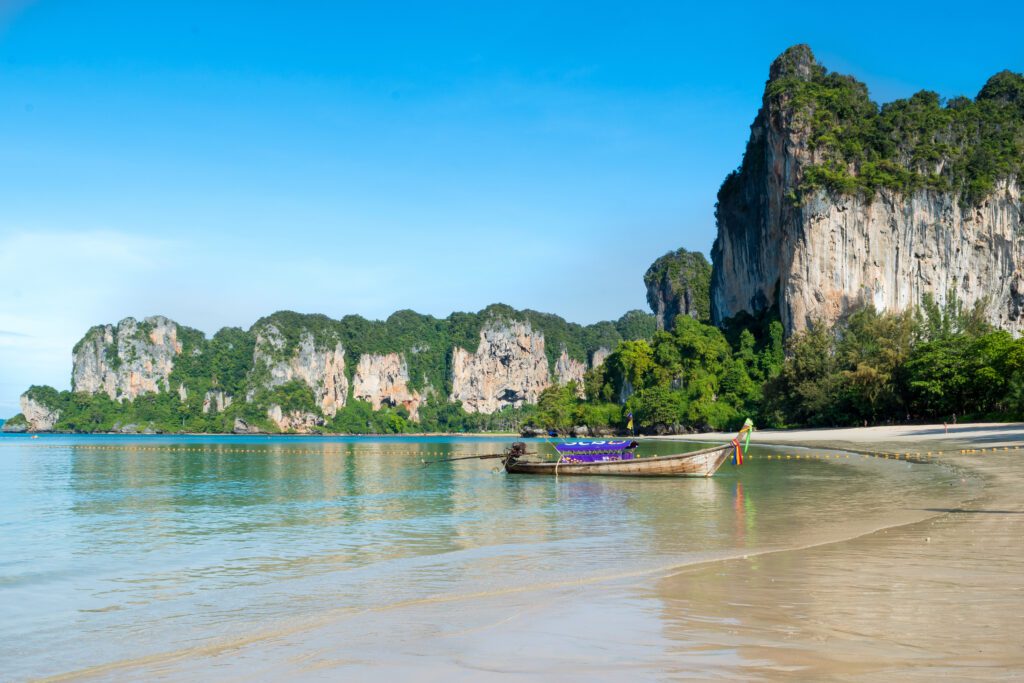
Krabi attracts international visitors because of its beaches, islands and natural surroundings.
The property market is smaller than Phuket’s but includes condominiums, villas, resort developments and other accommodation-related property.
Other coastal destinations also attract foreign buyers, although the maturity of their property markets varies considerably.
A smaller market can provide different opportunities, but it can also mean fewer comparable properties, fewer established property managers and potentially less liquidity when it is time to sell.
Foreign buyers should therefore research the specific local market rather than assuming that the economics of Phuket or Bangkok apply everywhere.

Where Are Foreigners Buying Condominiums in Thailand?
Condominiums are particularly important to foreign buyers because Thailand’s condominium legislation provides a recognised route for qualifying foreigners to own condominium units on a freehold basis, subject to the applicable requirements.
The foreign ownership limit is generally 49% of the total area of all condominium units in the relevant building.
This makes condominiums especially relevant in Bangkok, Phuket and Pattaya, as well as selected developments in other tourist and residential destinations.
However, buyers should not assume that every condominium unit is available to foreigners.
The foreign quota needs to be confirmed for the individual building.
The buyer should also examine the condominium’s financial position, common-area fees, sinking fund, maintenance, management and resale market.

Where Are Foreigners Buying Villas in Thailand?
Villas are particularly prominent in Phuket, Koh Samui and Koh Phangan.
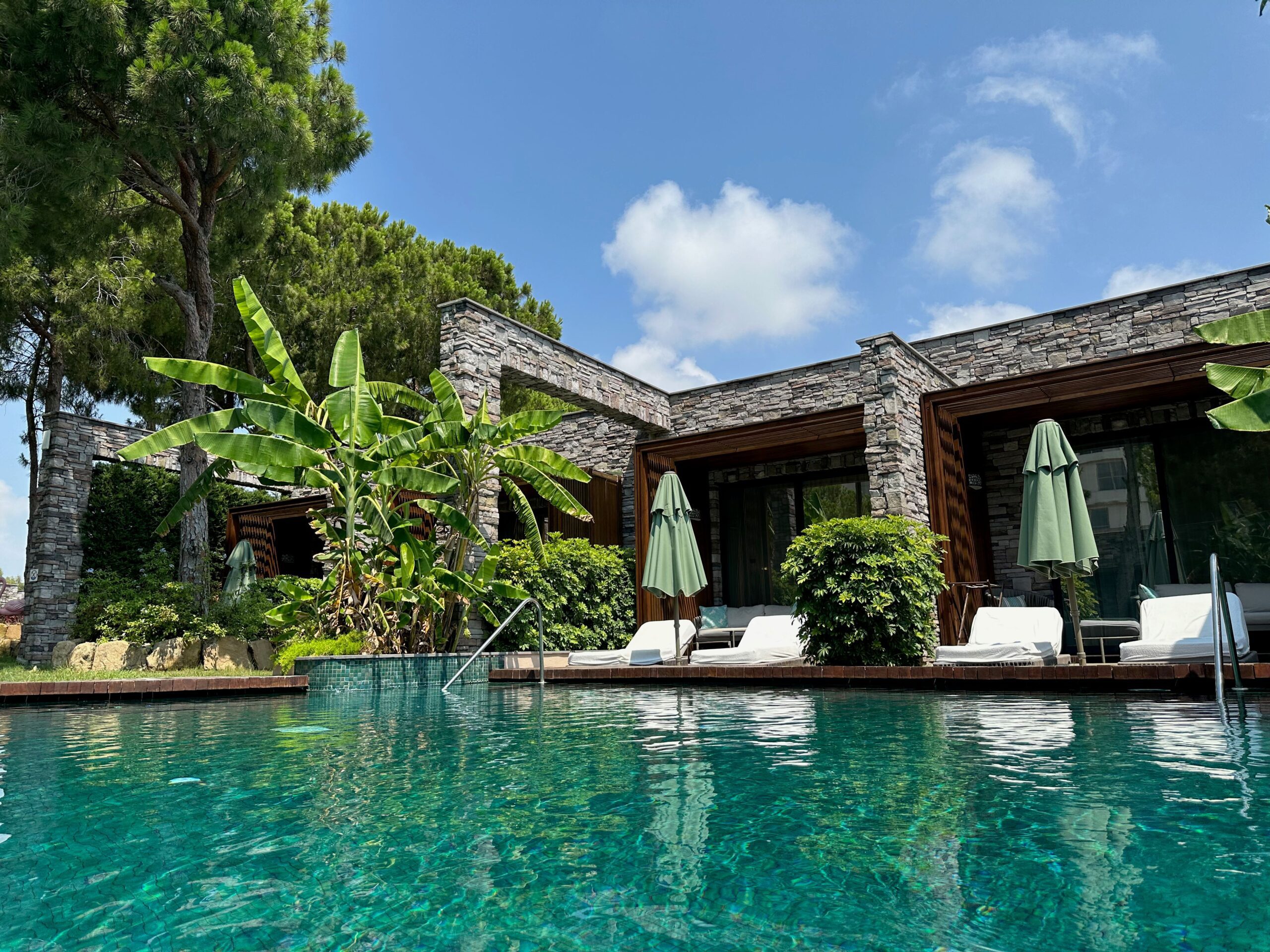
They appeal to buyers who want privacy, outdoor space, swimming pools, larger living areas and a more residential environment.
But villas also create one of the most important legal distinctions in the Thai property market.
A foreign individual generally cannot simply acquire freehold ownership of the underlying Thai land.
The buyer therefore needs to establish whether the proposed arrangement involves:
- a registered lease;
- ownership of the building with separate rights to use the land;
- a legitimate company structure;
- or another legally recognised arrangement.
A sales agent’s description of a property as “foreign freehold” is not sufficient evidence of what the buyer will legally own.
The title, company documents, lease and transaction structure need to be reviewed.

The Difference Between a Legitimate Company and a Nominee Structure
This is one of the most important questions for foreign villa buyers in 2026.
A Thai company can potentially own property where the company is legally entitled to do so and has a genuine commercial purpose.
The problem arises when Thai shareholders are used merely as nominees for a foreigner who is effectively the real owner or controller.
In such a structure, the Thai shareholders may appear to hold the majority of shares on paper while the foreigner provides the capital, controls the company and receives the economic benefit.
Using nominees to circumvent foreign ownership restrictions is not a legitimate route to land ownership.
Thailand’s Department of Business Development has already been screening businesses for suspected nominee arrangements, including sectors such as tourism, land trading and real estate, hotels and resorts and construction. Its 2025 annual report described risk-based inspections and investigations into whether Thai shareholders were being used to circumvent the Foreign Business Act.
The 2026 enforcement campaign has made this issue substantially more important for foreign property buyers.
Is Every Thai Company With Foreign Shareholders Illegal?
No.
This distinction is essential.
A company does not become illegal simply because it has foreign shareholders.
The relevant question is whether the company complies with the applicable laws and whether its Thai shareholders are genuine rather than acting as nominees.
A legitimate Thai company may have foreign participation and conduct lawful business.
The problem is a structure created or operated to evade restrictions that would otherwise apply to the foreign buyer.
Foreign buyers should therefore be suspicious of anyone presenting a company structure as a simple way to “get around” Thailand’s land ownership rules.
That wording itself should be treated as a warning sign.
What Are the Warning Signs of a Nominee Structure?
A buyer should obtain independent legal advice if a proposed property structure includes unusual arrangements involving Thai shareholders.
Particular questions should be asked where:
The foreign buyer provides essentially all of the purchase money.
Thai shareholders contribute little or no genuine capital.
The foreigner is promised complete control of the company despite being a minority shareholder.
The Thai shareholders have signed documents agreeing to transfer their shares whenever requested.
The company exists primarily to hold a villa or land for the foreign buyer.
The seller describes the structure as a way to avoid the foreign land ownership rules.
The buyer is told that “everyone does it” or that enforcement is unlikely.
None of these facts alone should be treated as a legal determination.
They are reasons to stop and obtain independent advice.
The question is whether the proposed arrangement is genuine and lawful, not whether it has previously been used by other buyers.
What Happens If a Foreign Buyer Already Owns Property Through a Company?
This is an increasingly important question in 2026.
A buyer who already owns a property through a Thai company should not automatically assume that the company is illegal.
At the same time, they should not assume that an old structure is safe simply because it was established years ago.
The current enforcement campaign demonstrates that historical practice is not necessarily the same thing as current legal compliance.
The appropriate response is to have the company and property independently reviewed.
This should include examining the company’s shareholders, funding, financial records, business activities, land ownership and any agreements governing control of the company.
A review can establish whether the structure appears to be a genuine business arrangement or whether there are issues that need to be addressed.

What Should a Foreign Buyer Check Before Buying a Villa in Thailand?
Villa buyers should carry out a more extensive review than simply checking the asking price and viewing the property.
The first question is who owns the land.
The second is what title the land has.
The third is whether there are mortgages, leases, servitudes, encumbrances or other registered interests.
The fourth is who owns the building.
The fifth is what legal right the foreign buyer will have to use the land.
If a company is involved, the investigation needs to go further.
The buyer should understand who owns the shares, who controls the company, how the shares were funded, what the company actually does and whether it has a legitimate commercial purpose.
On islands such as Koh Samui and Koh Phangan, practical due diligence should also include access roads, electricity, water, drainage and internet.
A property can have a clean-looking sales brochure and still have serious practical problems.
Why Access Roads Matter in Island Property Markets
Road access can have a major effect on the value and usability of island property.
A property may appear close to a beach or have an excellent sea view, but the final section of road could be steep, narrow, unpaved or difficult during heavy rain.
The buyer should establish whether the road is public, privately owned, shared or subject to a documented right of access.
This matters for everyday living, construction, maintenance, rental appeal and resale.
A property requiring a 4WD vehicle can have a different rental market from an otherwise similar property with easy car access.
Access should therefore form part of the due-diligence process rather than being treated as a minor inconvenience after the purchase.
Electricity, Water and Internet Are Part of the Property Analysis
Infrastructure can significantly affect the practical value of a property.
The buyer should establish whether electricity is connected to the government grid, how water is supplied and whether there is sufficient storage.
Some properties may rely on wells, tanks or delivered water.
The reliability of the supply during periods of high demand should also be considered.
Internet has become particularly important.
Koh Phangan, Phuket and Koh Samui all attract remote workers and long-term international residents, meaning reliable connectivity can affect rental demand as well as personal use.
Do not rely solely on an agent saying that fibre internet is available in the area.
Test the actual property.

How Should Foreign Buyers Compare Thailand’s Main Property Markets?
There is no single destination that suits every foreign buyer.
The markets have different characteristics.
| Destination | Common foreign-buyer property interests | Main characteristics |
|---|---|---|
| Bangkok | Condominiums | Urban living, transport, business, long-term rental demand |
| Phuket | Condos, villas, apartments | International tourism, established infrastructure, broad foreign market |
| Koh Samui | Villas, condos, lifestyle properties | Island living, tourism, international community |
| Koh Phangan | Houses, villas, apartments, condos | Wellness, remote working, lifestyle, long-term international residents |
| Pattaya | Condominiums, houses | Established international market, tourism and long-term residents |
| Chiang Mai | Condominiums, residential property | Long-term living, culture, remote working |
| Hua Hin | Condos, houses, villas | Retirement, families, established services |
| Krabi | Villas, condos, resort property | Tourism and lifestyle market |
The table is intended to explain market differences, not rank destinations.
The appropriate location depends on the buyer’s intended use, budget, preferred lifestyle and ownership requirements.

Where Are Foreigners Buying Property for Retirement?
Retirement buyers tend to prioritise everyday practicality.
Healthcare, supermarkets, restaurants, transport and a comfortable residential environment can be more important than maximum tourism demand.
Hua Hin, Chiang Mai, Phuket, Pattaya and Koh Samui all have established international retirement communities.
Koh Phangan can also appeal to retirees who prefer island living, although the exact location and property access should be examined carefully.
A hillside property that looks spectacular during a short holiday may become less practical if the road is steep or essential services are far away.
For retirement buyers, renting in an area before purchasing can provide valuable information about everyday life.

Where Are Foreigners Buying Property for Remote Working?
Remote workers tend to look for reliable internet, comfortable workspaces, electricity, mobile coverage and access to cafés and everyday services.
Chiang Mai has a long-established remote-working community.
Bangkok provides strong urban infrastructure.
Phuket combines international connectivity with a broad range of lifestyle environments.
Koh Phangan has developed a particularly visible remote-working and wellness community, especially around Sri Thanu, Hin Kong and other west-coast areas.
The actual property still matters.
Internet should be tested at the property.
A suitable workspace should be available.
Electricity should be reliable.
And the surrounding environment should make working practical rather than simply looking attractive in photographs.

Where Are Foreigners Buying Property for Rental Income?
Foreign investors are active in Bangkok, Phuket, Pattaya, Koh Samui, Koh Phangan and other established tourism markets.
However, investors should distinguish between gross rental income and actual net returns.
A property may generate THB 1 million in annual rental revenue while management fees, maintenance, utilities, cleaning, marketing, vacancy and other expenses reduce the amount the owner actually receives.
Short-term and long-term rental markets should also be analysed separately.
A property that performs well during peak tourism periods may have lower occupancy during quieter months.
Buyers should also confirm that the intended rental model is legally permitted.
Rental assumptions should therefore be based on realistic operating figures rather than the highest possible nightly rate shown in a sales presentation.

Why Legal Structure Should Now Be Part of the Location Decision
In previous years, buyers often approached the question in this order:
Where do I want to live?
What property do I like?
How much does it cost?
In 2026, foreign buyers should add another question much earlier:
How can this property legally be owned?
This is especially important for villas and houses.
A property might be located in exactly the right part of Phuket, Koh Samui or Koh Phangan and still not be appropriate if the proposed ownership structure is unclear or relies on a nominee arrangement.
The 2026 enforcement campaign demonstrates why buyers should not treat company structures as a routine administrative detail.
The legal structure is part of the property.

What Is the Difference Between Freehold Condominium Ownership and Villa Ownership?
The distinction can be summarised simply.
A qualifying condominium unit can potentially be owned by a foreign individual on a freehold basis, subject to the legal requirements and the condominium’s foreign ownership quota. The Department of Lands’ guidance confirms the 49% foreign ownership limit for condominium unit area.
A villa is different because it normally involves land.
A foreign individual generally cannot simply register the underlying Thai land in their own name.
This is why villa buyers need to understand whether they are acquiring a leasehold interest, ownership of the building with separate land rights or another legitimate structure.
The distinction becomes particularly important when a seller presents a villa as “foreign freehold” but the actual land ownership depends on a Thai company.
Is a 30-Year Lease Still Relevant in 2026?
Yes.
Leasehold remains an important structure for foreign buyers of land-based property.
A registered lease of immovable property can provide long-term rights to use property, but a lease should not be described as though it were equivalent to freehold ownership.
Buyers should examine the exact lease term, registration, transfer rights, termination provisions, inheritance considerations and any renewal provisions.
A future renewal should not automatically be treated as though it were already an existing 60- or 90-year ownership right.
The contract needs to be reviewed carefully.
What About “30 + 30 + 30 Year” Villa Deals?
This is an area where buyers should be particularly cautious.
A sales listing may describe a villa as having a “90-year lease” because it combines an initial 30-year lease with proposed future renewals.
The buyer should not automatically treat that as equivalent to holding a 90-year registered lease from the beginning.
The legal enforceability of future renewal arrangements depends on the actual documents and applicable law.
A foreign buyer should therefore have the lease and renewal provisions independently reviewed before assigning a monetary value to the future periods.

What Should Foreigners Ask Before Buying Property in Thailand in 2026?
A useful due-diligence process begins with straightforward questions.
Who owns the property today?
Who owns the land?
What exactly am I buying?
Can I own this property directly in my own name?
If not, what legal interest am I receiving?
Is a company involved?
If so, why does the company exist?
Who owns and controls the company?
How were the shares funded?
Are the Thai shareholders genuine shareholders?
Has an independent Thai lawyer reviewed the structure?
What happens if the property is sold?
What happens at the end of a lease?
Can the property legally be rented in the way projected?
These questions can prevent a buyer from becoming committed to a property before discovering that the proposed ownership structure does not meet their needs.

A Practical Foreign Buyer Checklist for 2026
Before making a significant commitment, the buyer should establish the following.
| Area | What to verify |
|---|---|
| Ownership | Who legally owns the property and land? |
| Title | What type of land title exists? |
| Condominium | Is foreign quota available if applicable? |
| Company | Is the company genuine and legally compliant? |
| Shareholders | Are Thai shareholders genuine rather than nominees? |
| Funding | Who provided the purchase capital? |
| Control | Who actually controls the company? |
| Lease | What is the registered term and what rights exist after expiry? |
| Access | Is legal and physical access established? |
| Utilities | Electricity, water, drainage and internet |
| Building | Construction and relevant permissions |
| Rental | Is the intended rental model permitted? |
| Taxes | What taxes and transfer costs apply? |
| Resale | Who is likely to buy the property later? |
| Legal review | Has an independent Thai lawyer reviewed the transaction? |
This checklist is especially important for villas and houses in Phuket, Koh Samui and Koh Phangan.
Should a Foreign Buyer Avoid Thailand Property Because of the 2026 Crackdown?
The 2026 enforcement activity does not mean that foreigners are prohibited from buying property in Thailand.
Foreign ownership of qualifying condominium units remains recognised under Thai law, subject to the applicable requirements and quota. Thailand also has established legal mechanisms for foreign participation in property and business activities where the relevant requirements are met.
What the current enforcement environment does mean is that buyers should be much more careful about how ownership is structured.
A foreign buyer should not rely on a nominee arrangement simply because it has historically been marketed as a common way to acquire villas or land.
The fact that a structure has existed for years does not establish that it complies with the law.
For a major property purchase, independent legal due diligence is now more important than ever.
What Does the 2026 Crackdown Mean for Existing Villa Owners?
Existing owners should not automatically assume that their property is affected simply because a Thai company is involved.
However, the current enforcement campaign provides a reason to review older structures.
A company established years ago should still be examined to determine whether:
- the Thai shareholders are genuine;
- the company has a legitimate commercial purpose;
- funding was properly documented;
- the company is operating lawfully;
- the ownership structure complies with applicable rules;
- and the foreigner has not been given prohibited control over land through nominee arrangements.
Owners who are uncertain about their structure should seek independent legal advice rather than waiting until a transaction, resale or government investigation forces the issue.

Why Independent Legal Advice Matters More in 2026
Property agents and developers can explain a property’s commercial features.
They can tell you where the property is, what it costs, how large it is and what rental demand may exist.
They should not be your only source of advice on whether a complex ownership structure is lawful.
That is particularly important when a transaction involves a Thai company, land ownership, unusual shareholder arrangements or a long-term lease.
An independent Thai lawyer should review the actual documents and advise the buyer on the proposed structure.
This is different from asking the seller’s lawyer whether the seller’s preferred structure is acceptable.
The buyer’s interests should be independently represented.

How Local Property Knowledge Fits Into the Process
Legal advice and local property knowledge serve different purposes.
A local real estate professional can help identify appropriate areas, compare properties, arrange viewings and explain practical differences between neighbourhoods.
A lawyer can examine title, contracts, corporate structures and legal rights.
Both perspectives can be valuable.
On an island such as Koh Phangan, for example, a property professional may know that two properties with similar prices have very different road access, rental demand or infrastructure.
A lawyer can then determine whether the proposed ownership structure for the selected property is legally appropriate.
That combination gives the buyer a much clearer picture than relying on either property marketing or legal documents alone.

Where Are Foreigners Buying Property in Thailand in 2026? A Market Summary
Thailand’s foreign property market is diverse.
Bangkok remains strongly associated with condominium ownership and urban living.
Phuket has a broad international market covering condominiums, apartments, villas and resort developments.
Koh Samui continues to attract buyers interested in island living and villas.
Koh Phangan has developed a diverse lifestyle market involving houses, villas, apartments, condominiums and developments aimed at international residents and visitors.
Pattaya has an established foreign condominium market and a large international residential population.
Chiang Mai appeals strongly to long-term residents, retirees and remote workers.
Hua Hin attracts international buyers looking for established residential infrastructure and retirement-friendly living.
Krabi and other coastal destinations provide smaller tourism and lifestyle markets.
But the 2026 property market cannot be understood purely by looking at these destinations.
The ownership structure now deserves equal attention.

Frequently Asked Questions
Where are foreigners buying property in Thailand in 2026?
Foreign buyers are active in Bangkok, Phuket, Koh Samui, Koh Phangan, Pattaya, Chiang Mai, Hua Hin, Krabi and other destinations. The type of property purchased varies significantly between markets.
What property are foreigners buying in Thailand?
Foreign buyers purchase qualifying condominium units, leasehold interests, houses, villas and other property interests depending on the legal structure available. Direct land ownership by foreign individuals is generally restricted.
Are foreigners still buying villas in Thailand in 2026?
Yes. Foreign buyers continue to purchase villas, particularly in Phuket, Koh Samui and Koh Phangan. However, the legal ownership structure requires careful examination because foreigners generally cannot directly own the underlying Thai land.
Can a foreigner own a villa in Thailand?
A foreigner may be able to own the villa building or hold long-term rights to use the property, but direct freehold ownership of the underlying land is generally restricted. The exact structure should be reviewed by an independent Thai lawyer.
Can a foreigner own land through a Thai company?
A Thai company may legally own land where it is genuinely entitled to do so and complies with Thai law. However, using Thai nominees to hold land for a foreigner in order to circumvent foreign ownership restrictions is unlawful and is a major focus of the 2026 enforcement campaign.
What is a nominee company in Thailand?
In this context, a nominee arrangement involves Thai individuals or entities holding shares or interests on behalf of a foreigner in order to conceal the foreigner’s effective ownership or control and circumvent legal restrictions.
Is having Thai shareholders automatically illegal?
No. A Thai company with foreign shareholders is not automatically unlawful. The important question is whether the Thai shareholders are genuine and whether the company and its activities comply with applicable laws.
Why is Thailand investigating nominee companies in 2026?
Thai authorities have intensified investigations into suspected nominee arrangements involving foreign businesses and property. The DSI identified Koh Samui and Koh Phangan as initial targets and said the investigations would expand to other major tourist destinations.
Is Koh Phangan affected by the 2026 nominee crackdown?
Yes. Koh Phangan was one of the initial locations targeted by authorities. In May 2026, authorities conducted major operations involving companies suspected of nominee structures and alleged illegal land possession.
Is Koh Samui affected by the nominee investigations?
Yes. Koh Samui has been subject to extensive investigations. In August 2026, authorities reported cases involving suspected nominee companies and property linked to dozens of plots of land and buildings.
Is Phuket affected by the 2026 crackdown?
Yes. Phuket authorities launched a province-wide investigation into companies suspected of holding land on behalf of foreign nationals through potentially improper shareholding structures.
Can foreigners still buy condominiums in Thailand?
Yes, subject to the legal requirements and foreign ownership quota. Foreign ownership in a condominium is generally limited to 49% of the total area of all units in the building.
Is a 30-year lease still available to foreigners?
Leasehold remains an important structure for foreign buyers of land-based property. The precise rights depend on the lease and its registration, so the documents should be reviewed independently before purchase.
Should foreigners buy property through a Thai company?
There is no universal answer. A genuine and legally compliant Thai company can have legitimate commercial purposes, but a company should not be used as a nominee arrangement to circumvent foreign land ownership restrictions. Buyers should obtain independent legal advice before using or acquiring property through a company.
Should an existing foreign villa owner review their company structure?
Given the increased enforcement activity in 2026, anyone uncertain about the legality of their company structure should consider obtaining independent legal advice and having the shareholder, funding, control and property arrangements reviewed.
Where are foreigners buying property for retirement?
Common markets include Hua Hin, Chiang Mai, Phuket, Pattaya and Koh Samui. Koh Phangan can also suit some retirees, particularly those looking for island living, although access to healthcare and everyday services should be considered carefully.
Where are foreigners buying property for remote working?
Chiang Mai, Bangkok, Phuket and Koh Phangan are all relevant markets for remote workers, although the suitability of an individual property depends on internet quality, electricity, workspace, mobile coverage and access to services.

Final Thoughts: Where Are Foreigners Buying Property in Thailand in 2026?
Foreigners are still buying property across Thailand in 2026, but the market needs to be understood more carefully than simply looking at popular destinations.
Bangkok remains important for condominium buyers and urban residents.
Phuket continues to attract international buyers looking at condominiums, villas and resort properties.
Koh Samui remains a major lifestyle and villa market.
Koh Phangan has developed into a diverse international residential market influenced by tourism, wellness, remote working and longer-term residents.
Pattaya, Chiang Mai, Hua Hin and other destinations each attract different types of international buyers.
But there is an important additional consideration in 2026.
The legal structure behind the property matters just as much as the location.
Thailand’s increased enforcement against nominee arrangements means that foreign buyers should be particularly careful when a house or villa involves a Thai company.
The current investigations on Koh Phangan and Koh Samui, together with the expansion of scrutiny to destinations including Phuket, demonstrate that buyers should not assume that a company structure is legitimate simply because it has been used before or is presented as standard practice.
This does not mean that foreign property ownership in Thailand has ended.
It means that buyers should understand exactly what they are buying.
A qualifying condominium may provide a recognised route to foreign freehold ownership.
A villa may involve leasehold or another legally appropriate structure.
A Thai company may be legitimate where it is a genuine company operating within the law.
A nominee arrangement designed to circumvent foreign ownership restrictions is a different matter.
For anyone considering property in Thailand in 2026, the sensible approach is therefore to assess the location, property, financial model and legal ownership structure together.
For buyers interested in Koh Phangan, Fairfax Real Estate can help identify properties, compare areas and arrange viewings, while independent Thai legal professionals should verify the land title, ownership structure, contracts and any company arrangements before a purchase is completed.
The most important question is not simply:
“Where are foreigners buying property in Thailand?”
It is:
“Where does the property suit my needs, and can I own or use it through a legal structure that I fully understand?”
That is the question that should guide a foreign buyer’s property search in Thailand in 2026.