Buying Property in Thailand as a Foreigner: The Complete 2026 Guide
Buying property in Thailand as a foreigner can be an exciting opportunity, whether the goal is to own a permanent home, have a holiday property, secure a retirement base or invest in the country’s residential property market. Thailand has a well-established international property sector, with foreign buyers active in destinations ranging from Bangkok and Phuket to Koh Samui, Koh Phangan, Pattaya and Chiang Mai.
However, buying property in Thailand is not simply a matter of finding a house or condominium, agreeing on a price and signing a contract.
The most important decisions often happen before you ever make an offer.
A foreign buyer needs to understand what can legally be owned, which ownership structure applies, how the property and title should be investigated, what the transaction will really cost and what rights the buyer will have after completion. This becomes particularly important when buying a house or villa, because ownership of the building and ownership of the land are separate issues under Thai law.
For condominiums, the process can be more straightforward. Thai law permits qualifying foreigners to own condominium units, subject to the applicable requirements and the foreign ownership limit within the condominium project. The Department of Lands also requires specific documentation when a foreign buyer registers condominium ownership.
The situation is different when a foreign individual wants to buy land.
That is why there is no single answer to the question of how to buy property in Thailand as a foreigner. The correct approach depends on what you are buying, where it is located, how you intend to use it and how the ownership is structured.
This complete 2026 guide focuses on the buying process itself. Rather than simply explaining whether foreigners can own property, it takes you through the decisions a buyer needs to make before, during and after a purchase.
Important: This guide is for general information and is not a substitute for independent Thai legal, tax or financial advice. Property laws, government procedures, taxes and regulations can change. Before signing a binding agreement or transferring a substantial deposit, foreign buyers should obtain professional advice appropriate to their individual circumstances.

What Foreign Buyers Should Understand Before Buying in Thailand
The first thing to understand is that the word property covers several very different forms of ownership.
A foreign buyer purchasing a condominium may be able to register the unit directly in their own name as freehold ownership, provided the condominium qualifies and the foreign ownership quota has not been exceeded.
A foreigner looking at a house or villa needs to consider the land separately. Direct ownership of Thai land by a foreign individual is generally restricted, subject to specific exceptions. This means the legal arrangement for the building and the land needs to be understood before the purchase proceeds.
Leasehold is another commonly used structure. A registered lease can give a foreign buyer a legally recognised right to use a property for a defined period, but a lease is not the same thing as freehold ownership.
Company structures can also arise in Thai property transactions, particularly where there is a genuine business purpose, but a company should not simply be created as a way of disguising foreign ownership of land.
These distinctions are important because the property that looks most attractive on a website may not necessarily be the property that fits the ownership structure you actually want.
The best place to begin is therefore not with property listings. It is with your objectives.

Decide What You Want the Property to Do
A foreign buyer looking for a permanent home should approach the market differently from someone looking for a rental investment.
If you intend to live in Thailand throughout the year, everyday convenience becomes important. You may eventually care more about access to supermarkets, healthcare, roads, internet and reliable utilities than about having the most impressive holiday view.
A holiday home raises different questions. If you are only going to use it for part of the year, security, maintenance and property management become particularly important.
An investment property requires another level of analysis. Rental demand, achievable income, operating costs, occupancy, management and eventual resale all need to be considered rather than simply looking at the advertised rental return.
Retirement buyers should think about how the property will work several years from now, not just how attractive it appears during a short viewing.
This is why defining your purpose before beginning the property search can save considerable time. Once you know what you need from the property, it becomes much easier to eliminate unsuitable options.

Choosing Where to Buy Property in Thailand
Thailand’s property market is highly regional.
A condominium in central Bangkok is a very different investment from a villa in Phuket or a house on Koh Phangan. Even within the same destination, individual neighbourhoods can have very different levels of convenience, rental demand, road access and long-term appeal.
The first question should therefore be:
Where do you actually want to spend your time?
If you are buying a permanent home, consider what an ordinary week will look like. Where will you shop? How will you travel? How far will you need to go for healthcare? Will you need a car? Is the property comfortable during the rainy season? What is the internet connection like?
If you are buying for rental income, look at the area from the tenant’s perspective. What brings people there? Is demand seasonal? Are there competing properties? Is the location easy to reach? Does the property appeal to the type of tenant you are targeting?
On an island such as Koh Phangan, these questions can be particularly important. Two properties can have similar asking prices while offering very different experiences because of their road access, elevation, utilities or distance from everyday services.

How Much Money Do You Need to Buy Property in Thailand?
The purchase price shown in an advertisement should never be treated as your complete budget.
A buyer needs to consider the transaction itself as well as the costs of preparing and owning the property.
There can be registration fees, taxes, legal costs, due-diligence expenses, banking and currency-conversion costs and, depending on the property, renovation or furnishing expenses.
The Department of Lands publishes the applicable framework for registration fees and taxes, including a general 2% registration fee for transfers calculated according to the relevant assessed value. The actual costs payable in a transaction can depend on the circumstances, including the type of property and the parties involved.
This means it is better to ask for a transaction-specific estimate than to rely on a generic statement that buying property in Thailand costs a particular percentage on top of the purchase price.
For example, if you are considering a THB 10 million property, your financial planning should not stop at THB 10 million. You should establish how much cash will be required for the purchase itself, the expected transaction costs and any immediate work needed before the property can be occupied or rented.
That gives you a much more realistic acquisition budget.

Understanding the Main Property Ownership Options
For foreign buyers, the ownership structure is one of the most important parts of the purchase.
| Ownership structure | General concept | Important consideration |
|---|---|---|
| Condominium freehold | Foreign buyer owns the qualifying condominium unit | Foreign ownership quota and legal requirements |
| Leasehold | Buyer receives a right to use property for a defined term | Contract, registration and renewal terms |
| House or villa arrangement | Land and building need to be considered separately | Foreign land ownership restrictions |
| Thai company | Property held by a properly established company | Must have a legitimate legal and commercial basis |
These are not interchangeable options.
A buyer should decide what legal interest they actually want rather than allowing the ownership structure to be determined by whatever property happens to be available.

Buying a Condominium as a Foreigner
For many foreign buyers, a condominium provides the most straightforward route to direct property ownership.
Thai law permits qualifying foreign buyers to own condominium units, subject to the requirements of the Condominium Act and the foreign ownership limit. The foreign ownership proportion cannot exceed 49% of the total condominium area under the applicable rules.
That does not mean every condominium unit advertised to foreigners can automatically be purchased as foreign freehold.
The foreign quota needs to be confirmed for the particular condominium.
The condominium juristic person can provide documentation confirming the foreign ownership proportion, and this documentation forms part of the registration process with the Department of Lands. A debt-free certificate from the condominium juristic person can also be relevant to the transfer.
For a buyer, the practical lesson is simple: confirm the foreign freehold position before treating the property as a straightforward freehold purchase.
A good property agent can help identify suitable units, but the formal legal position should be confirmed through the appropriate professionals.

Buying a House or Villa as a Foreigner
Buying a house or villa requires more careful analysis because the land beneath the building becomes an important part of the transaction.
Foreign individuals generally cannot simply register Thai land in their own name in the same way as a Thai citizen.
There are limited statutory exceptions, but these are not the normal route used by foreign residential buyers. Thai government information describes a specific exception involving qualifying investment of at least THB 40 million, subject to conditions including residential use, a maximum land area and approval requirements.
For most buyers considering a house or villa, the important question is therefore not simply “Can I buy this house?”
It is:
“What legal rights will I have over the house and the land, and how will those rights be protected?”
That could involve a leasehold arrangement or another legally appropriate structure, depending on the property and circumstances.
This is one of the situations where professional legal advice is particularly important.

Understanding Leasehold Property
Leasehold is commonly encountered by foreigners buying houses, villas and other property where direct ownership of the underlying land is restricted.
A lease gives the buyer a contractual right to use the property for a specified period. It is fundamentally different from freehold ownership.
Thai government information identifies a maximum registered lease term of 30 years, with renewal arrangements potentially being agreed subject to the applicable legal framework and the consent of the lessor.
This is important when you encounter marketing language such as “30 + 30 + 30 years.”
A buyer should not automatically treat that wording as equivalent to owning the property for 90 years.
The first registered lease term is one legal right. A future renewal involves a future agreement and should be examined carefully.
Before entering into a leasehold purchase, ask your lawyer to explain exactly what is being registered, what rights survive a transfer and what happens when the initial lease term approaches its end.

What About Buying Through a Thai Company?
Company ownership is an area where foreign buyers should be particularly cautious.
A properly established Thai company can own property in circumstances where doing so is legally appropriate. However, the existence of a company does not automatically make foreign land ownership permissible.
A company should have a legitimate commercial purpose and comply with Thai corporate and land laws.
If someone suggests setting up a company solely because it is an easy way for a foreigner to own land, that should be a reason to stop and obtain independent legal advice rather than a reason to proceed quickly.
The relevant question is not whether someone has used the structure before. It is whether the particular structure is legitimate, appropriate and compliant with Thai law.

How to Find the Right Property
Once you understand the ownership options and have selected your preferred locations, the property search becomes much easier.
Online property portals are useful for establishing what is available and getting a sense of asking prices. However, asking prices are not necessarily the same as achieved transaction prices, and listings do not always contain enough information to assess the legal or practical quality of a property.
A good search should therefore involve several sources.
Local property agents can provide information about properties that may not be widely advertised. They can also explain differences between neighbourhoods and help arrange viewings.
When looking at properties, avoid becoming too attached to a single listing before you understand the alternatives.
Seeing several comparable properties gives you a much better reference point for assessing price, condition and location.
This is particularly useful in markets such as Koh Phangan, where the physical characteristics of a property can vary substantially even within the same general area.

How to Compare Properties Properly
The cheapest property is not automatically the best value.
Imagine two villas are both advertised at similar prices. One is closer to town but needs substantial renovation. The other is more expensive but has better access, established utilities and fewer immediate maintenance requirements.
Looking only at the asking price hides much of the actual financial picture.
A useful comparison should consider the purchase price alongside the ownership structure, condition, access, utilities, expected maintenance and intended use.
For an investment property, expected rental performance should also be examined.
For a permanent home, everyday convenience may be more important than potential rental income.
The right property is therefore the one that works for your particular objective, rather than the one that appears cheapest or most impressive in an online listing.

What to Look for When Viewing a Property
A property viewing should be much more than a walk through the living room.
Look at how the property actually functions.
If the property is on a hillside, drive the complete route rather than stopping at the main road. A house that appears close to a beach or town on a map may have a difficult final section of road that becomes considerably less convenient during heavy rain.
Pay attention to drainage and the way water moves around the property. Look at retaining walls and neighbouring land where relevant. Check whether parking is practical rather than assuming that a vehicle can always reach the house.
Inside the property, look for signs of moisture, water damage, poor drainage, ageing equipment and previous alterations. If you are seriously considering the property, a professional inspection may be worthwhile, particularly for an older house or a substantial villa.
The surroundings matter as well. Listen for traffic, businesses, construction or other sources of noise. Look at neighbouring properties and consider whether future development could affect privacy or views.
A property can be excellent in isolation and still be unsuitable because of its immediate surroundings.

Why Access Roads Matter More Than Many Buyers Expect
Access is an easy issue to overlook because buyers naturally focus on the property itself.
Yet access can affect almost every part of ownership.
A difficult road can make daily life less convenient, increase construction and maintenance costs and reduce the number of tenants willing to rent the property.
It can also affect emergency access and the practical ability to deliver furniture, building materials or large equipment.
On Koh Phangan, this is particularly relevant for hillside and more rural properties.
There is also an important distinction between physical access and legal access.
You may be able to drive to a property today, but your lawyer should establish the legal basis on which the access is used and whether the relevant rights are properly documented.
This is one reason a property viewing and legal due diligence need to work together rather than being treated as separate activities.
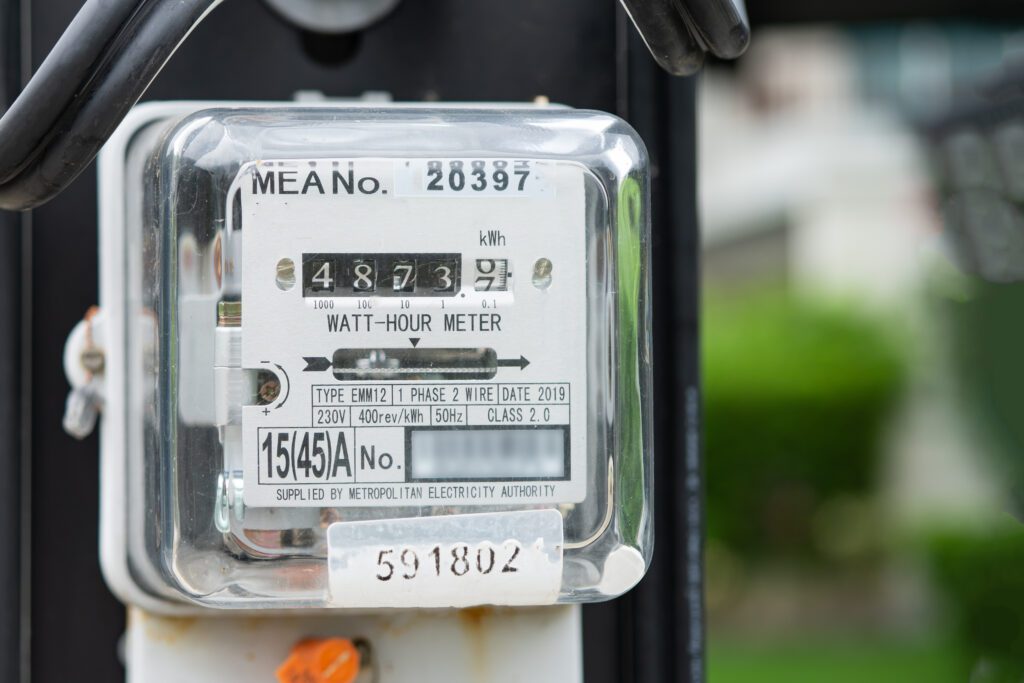
Investigating Electricity, Water and Internet
Infrastructure should be treated as part of the property rather than as an afterthought.
A buyer should establish how electricity is supplied, where water comes from and whether the property has sufficient storage or backup arrangements for its intended use.
On an island property, these issues can have a particularly noticeable effect on everyday life.
Internet connectivity is increasingly important as well. This is especially true for buyers who work remotely or intend to attract long-term tenants.
Do not assume that because fibre internet is available in a neighbourhood, the individual property has a reliable fibre connection.
Ask what service is actually installed and, where possible, test the connection at the property.
The same principle applies to mobile reception. A property that works perfectly for a holiday may not be suitable for someone who needs dependable communication and internet access every day.

Checking the Land Title and Legal Ownership
Once you have found a property that you genuinely want to buy, the focus should move from marketing to verification.
The seller’s claim about ownership needs to be checked against the official property documentation.
Your lawyer should investigate the title and establish who is legally registered as the owner and whether there are any registered interests affecting the property.
This can include mortgages, leases, servitudes or other encumbrances.
The investigation should also establish whether the seller has the legal authority to complete the transaction.
For a foreign buyer, this is particularly important because the ownership structure needs to match what can legally be transferred to that buyer.
A property should not be considered legally “safe” simply because it has been owned by someone else for many years or because an agent has sold similar properties.

Checking the Building and Development History
A building can exist physically without every assumption a buyer makes about it being legally correct.
If a house has been extended, a separate guest building has been constructed or a swimming pool has been added, ask whether the relevant permissions and documentation have been properly dealt with.
This matters particularly if your purchase decision depends on the property’s development potential.
For example, if the investment case assumes you can add another building, enlarge the house or create additional rental accommodation, that assumption should be investigated before you assign value to it.
An existing structure does not automatically prove that every future alteration will be permitted.

Why Due Diligence Is One of the Most Important Parts of the Purchase
Due diligence is where the information in a property listing is tested against the legal and physical reality of the property.
A proper investigation can reveal issues that are difficult for an overseas buyer to identify independently.
These might relate to ownership, title, access, outstanding debts, building documentation, leases, development restrictions or other rights affecting the property.
The purpose is not to make the buying process unnecessarily complicated.
It is to find problems before the buyer becomes committed.
This is particularly important because the emotional side of property buying can work against good decision-making. Once a buyer has fallen in love with a house and imagined living there, it can become tempting to overlook inconvenient questions.
Good due diligence provides an objective stage at which those questions can be answered.

What Should You Know Before Paying a Deposit?
A deposit can be an important part of securing a property, but it should not be treated casually.
Before making a substantial payment, the buyer should understand what document governs the payment and what happens if the transaction cannot proceed.
For example, what happens if a title problem is discovered?
What happens if the seller cannot complete?
What happens if the buyer cannot complete?
Are there conditions that need to be satisfied before the purchase becomes unconditional?
These questions should be addressed in the relevant contractual documentation.
If significant legal due diligence remains outstanding, discuss the timing of the deposit with your lawyer before transferring the money.

Negotiating a Property in Thailand
Negotiation is about more than asking the seller to reduce the price.
The terms of the transaction can sometimes be as important as the headline figure.
Depending on the circumstances, buyers may negotiate over furniture, appliances, repairs, completion timing or other items included in the sale.
Suppose a property requires repairs that the seller has already acknowledged. Instead of simply negotiating a lower price, the parties may agree on how those repairs will be dealt with before completion.
The best negotiation is therefore based on understanding what the property is actually worth to you and what costs you will inherit after purchase.

The Sale and Purchase Agreement
Once the price and principal terms have been agreed, the sale and purchase agreement becomes one of the most important documents in the transaction.
It should accurately describe the property, the parties, the purchase price, the payment arrangements and the conditions under which the transaction will proceed.
The agreement should also address matters such as the completion date, default provisions and responsibility for applicable costs.
Foreign buyers should be particularly careful when documents are presented in Thai and English.
Do not assume that an informal English explanation of the transaction has the same legal meaning as the formal contractual document.
An independent lawyer should review the agreement and explain any provisions the buyer does not understand.

Transferring Money to Thailand
The movement of purchase funds can be an important part of a foreign property transaction.
For qualifying foreign condominium purchases, Thai government guidance identifies evidence relating to funds brought into Thailand through the appropriate banking channels as part of the documentation framework.
This is one reason buyers should speak with their bank and lawyer before sending the purchase funds.
Do not leave the banking documentation until the day of completion.
Keep records of the transfer and make sure the purpose of the payment is correctly identified.
The exact documentation required depends on the transaction, so buyers should obtain instructions specific to their purchase.
Can Foreigners Get a Mortgage in Thailand?
Financing is possible for some foreign buyers, although the options are more limited than those available to many Thai purchasers.
Thai government information notes that financial institutions offer loans to foreigners for qualifying condominium purchases, while financing for houses and land is considerably more restricted.
Eligibility varies between lenders and can depend on the buyer’s circumstances, income, residency, property type and other factors.
If you need financing, investigate it before becoming committed to a purchase.
A buyer should not assume that because they have a strong income or substantial assets overseas, a Thai lender will automatically finance the property.
For investment purchases, financing also needs to be considered alongside realistic rental income and operating expenses.

Understanding Property Taxes and Transfer Costs
Property transactions in Thailand can involve several different taxes and registration charges.
The exact combination depends on the circumstances of the transaction.
Potential charges can include the transfer registration fee, Specific Business Tax, stamp duty and withholding tax. The Department of Lands provides the applicable framework for these charges and registration fees.
The important point for a buyer is that there is no sensible way to calculate the complete cost of every property transaction using one universal percentage.
The seller’s status, the property, the transaction structure and other factors can influence the calculation.
Before completion, ask your lawyer or other appropriate professional to provide a clear estimate of the expected costs and explain which party is responsible for each payment.

What Happens on Completion Day?
The final transfer is generally handled through the relevant Land Office.
The precise documentation depends on the transaction, but the process can involve the buyer, seller, their representatives and the relevant property or condominium documentation.
For condominium purchases, the foreign ownership position must be supported by the appropriate documentation from the condominium juristic person. Thai government guidance also identifies documents such as a debt-free certificate and foreign ownership certification among the documentation that can be required for condominium transfers.
A properly prepared transaction should therefore arrive at completion with the necessary documentation already checked.
Completion is not the time to discover that a required document is missing or that the proposed ownership structure cannot be registered.

What Happens After You Buy?
Buying the property is only the beginning of ownership.
If you are going to live there, you may need to arrange utilities, insurance, maintenance and security.
If the property is going to be rented, the management requirements become more substantial.
Someone needs to deal with tenants, cleaning, repairs, maintenance and emergencies. A property left empty for several months also needs to be inspected regularly.
This is particularly important for foreign owners who spend only part of the year in Thailand.
Before buying an investment property, establish who will look after it and what that management will cost.
A property that appears highly profitable before management expenses can look very different once the real cost of operating it is included.

Buying Property for Rental Income
Rental income can be an important part of the decision for foreign buyers, but it should be analysed carefully.
Advertised rental returns are often based on assumptions about occupancy and achievable rates rather than guaranteed income.
A realistic calculation should consider the property’s expected rental income alongside periods of vacancy, management, cleaning, maintenance, utilities, insurance, marketing and other operating expenses.
For example, a property generating THB 1.2 million in annual rental revenue does not necessarily produce THB 1.2 million in investment income.
If THB 200,000 is spent on management and operating costs, and further amounts are required for maintenance and vacancy, the net result is substantially different.
The correct question is therefore:
What income can the property realistically produce after the costs of operating it?
That is much more useful than focusing on a headline rental yield.

Can You Rent Out a Property in Thailand?
Potentially, but the answer depends on the property and the way it is rented.
A long-term residential lease and short-term holiday accommodation can involve different legal and regulatory considerations.
This is particularly important for buyers whose entire investment case depends on short stays.
Do not assume that because a property is in a tourist destination, it can automatically be operated as a short-term rental.
If rental income is central to your purchase decision, investigate the applicable rules before buying rather than treating rental income as an assumption.

Buying Property for Retirement
Retirement buyers often have different priorities from investors.
A property may be beautiful but become inconvenient if it involves difficult roads, a long journey to shops or limited access to healthcare.
For a retirement purchase, think about how the property will work when you are living there throughout the year rather than how it feels during a holiday.
This is one reason renting before buying can be particularly valuable.
Spending several months in an area lets you experience the roads, weather, local services, shopping and general rhythm of everyday life.
On Koh Phangan, for example, a retiree might prefer a property with easy access to Thong Sala and everyday services rather than a more isolated hillside villa, even if the latter has a more impressive view.
The right decision depends on the individual’s priorities, but the important point is to evaluate the property as a long-term home, not simply as a holiday destination.

Buying Property as a Digital Nomad or Remote Worker
Remote workers should treat internet access as an essential part of the property specification.
A home that looks perfect but has an unreliable connection can quickly become frustrating if your income depends on video calls, cloud software or other online services.
Location also matters.
Some buyers may prefer to be near cafés and co-working spaces, while others want a quieter home and are happy to work independently.
On Koh Phangan, areas such as Sri Thanu, Hin Kong and Thong Sala offer different combinations of cafés, services, community and residential convenience.
However, the individual property remains important. Internet performance, workspace, electricity and mobile reception should be checked at the actual house or condominium rather than assumed from the reputation of the neighbourhood.

Buying Property on Koh Phangan as a Foreigner
Koh Phangan has become increasingly interesting to foreign buyers looking for a permanent home, holiday property or rental investment.
But the island’s property market needs to be approached on its own terms.
Location can make a substantial difference.
Thong Sala is particularly practical for buyers who value access to shops, services and transport. Sri Thanu attracts an international community and people interested in wellness and remote working. Hin Kong offers a west-coast location with relatively easy access to Thong Sala and Sri Thanu. Haad Yao is more strongly associated with beach living, while areas such as Chaloklum and Thong Nai Pan offer quieter alternatives.
The important point is that the best location depends on what you are buying for.
A rental property aimed at holiday visitors may be assessed differently from a permanent family home.
A retirement property may prioritise easy access over a dramatic hillside view.
A remote worker may place internet above almost everything else.
This is where local property knowledge becomes useful.
Fairfax Real Estate Koh Phangan can help buyers compare properties and locations, arrange viewings and understand the practical differences between available properties. Where specialist assistance is required, Fairfax can also help coordinate appropriate legal and translation services.
The legal investigation itself should remain with an independent qualified professional.

Why Local Knowledge Matters When Buying on an Island
Island property can have characteristics that are difficult to understand from online listings.
Road access can change significantly within a short distance.
A property can have a spectacular view but require a difficult climb.
Water sources can differ between properties.
Internet availability can vary.
Some areas are highly seasonal while others have more year-round residents.
These differences can affect both lifestyle and investment performance.
A local agent who regularly works with buyers in the area can help identify questions that may not be obvious to someone visiting for the first time.
That does not replace legal due diligence. It complements it by helping the buyer understand the physical and commercial reality of the market.

Should You Buy Property in Thailand Remotely?
It is possible for certain parts of a transaction to be handled through authorised representatives or powers of attorney where the applicable procedures allow it.
However, the ability to complete remotely does not mean that buying remotely is always the best approach.
Whenever possible, visit the property yourself.
Walk around the surrounding area.
Drive the access route.
Experience the neighbourhood at different times of day.
Look beyond the photographs.
If you cannot visit Thailand, independent professionals can provide inspections and due diligence on your behalf.
The further removed you are from the property, the more important clear professional representation becomes.

What Documents Will a Foreign Buyer Need?
The exact requirements vary according to the property and transaction.
For condominium purchases, Thai government guidance identifies documentation relating to the buyer’s status, the condominium’s foreign ownership proportion and, where applicable, evidence relating to the funds used for the purchase.
A power of attorney may also be required if another person is acting on the buyer’s behalf.
Documents issued in a foreign language may require translation and certification.
Rather than relying on a generic online document list, ask your lawyer for a transaction-specific checklist.
This is particularly important where the buyer lives outside Thailand or intends to complete through an authorised representative.

How Long Does Buying Property in Thailand Take?
There is no standard timeframe that applies to every transaction.
The property search itself may take days or several months depending on how specific your requirements are.
Once you have chosen a property, a straightforward transaction can move relatively quickly if the ownership documentation is clear and both parties are ready.
More complicated transactions can take substantially longer.
Problems involving title, access, financing, corporate structures, construction documentation or negotiations can all extend the process.
The important thing is not to create an artificial deadline simply because the seller wants a quick completion.
A property purchase is a significant financial commitment. Taking additional time to resolve an important legal question is usually preferable to rushing past it.

The Difference Between a Cheap Property and Good Value
One of the easiest mistakes for a foreign buyer to make is focusing too heavily on the asking price.
Imagine two properties are available.
One costs THB 8 million and needs extensive renovation, has difficult access and requires additional work to establish reliable utilities.
Another costs THB 9 million but is in better condition, has established infrastructure and requires little immediate expenditure.
The first property is cheaper.
That does not automatically make it better value.
A proper comparison considers the total cost of acquiring and operating the property.
This is particularly important for villas and houses, where maintenance and infrastructure can create significant costs that are not obvious from the initial purchase price.

Common Mistakes Foreign Buyers Make
Many problems can be avoided simply by slowing the process down.
One common mistake is becoming emotionally committed to a property before understanding its ownership structure. Once a buyer has decided that a particular villa is their dream home, it becomes harder to objectively assess legal or practical problems.
Another is assuming that an existing building automatically means everything about the property is properly documented.
Buyers can also underestimate access. A road that seems manageable during the dry season may be considerably more difficult during heavy rain.
Rental projections can also be misleading if they focus on gross revenue rather than actual net income.
Another common problem is treating verbal assurances as if they were contractual rights. If something matters to the transaction, it should be properly documented.
Finally, buyers sometimes treat legal advice as an unnecessary cost. In reality, independent legal due diligence is one of the ways a buyer protects what may be their largest financial commitment in Thailand.

A Practical Buying Process for Foreigners
The process becomes much easier when approached in the right order.
First, establish why you are buying and what you need the property to achieve.
Next, choose the locations that fit that objective and establish a realistic total budget.
Then determine which ownership structure is appropriate before becoming too attached to individual properties.
Once you begin viewing properties, compare them on more than price. Consider access, utilities, condition, surroundings and the likely cost of ownership.
When you find a property you are seriously considering, move into the due-diligence stage. This is where the ownership, title, access, building documentation and other relevant matters should be investigated.
Only once the legal position is understood should you move confidently toward the final contract and completion.
This sequence is important because it keeps the emotional part of the purchase from getting ahead of the legal and financial reality.

The Foreign Buyer Property Checklist
The following checklist works best as a final review rather than as a substitute for the detailed investigation described above.
Before making an offer
☐ You know why you are buying.
☐ You understand the location.
☐ You have established your complete budget.
☐ You understand the proposed ownership structure.
☐ You have compared similar properties.
Before paying a substantial deposit
☐ The seller’s ownership has been checked.
☐ You understand what is actually being transferred.
☐ The title and relevant property documents are being investigated.
☐ Access has been considered both physically and legally.
☐ You understand the deposit terms.
☐ Independent legal advice has been obtained.
Before completion
☐ Purchase funds have been prepared correctly.
☐ Banking documentation has been confirmed.
☐ Expected taxes and registration costs have been calculated.
☐ The sale agreement has been reviewed.
☐ The required Land Office documentation has been confirmed.
After completion
☐ Utilities and insurance are arranged.
☐ Maintenance is organised.
☐ Property management is arranged if necessary.
☐ You have retained copies of the relevant ownership and transaction documents.

Frequently Asked Questions
Can a foreigner buy property in Thailand in 2026?
Yes. Foreigners can acquire certain property interests in Thailand, subject to the applicable laws and requirements. Condominium ownership is the clearest route to direct individual freehold ownership, while direct ownership of land is generally restricted.
Can foreigners own a condominium in Thailand?
Yes. Qualifying foreign buyers can own condominium units, subject to the foreign ownership limit and other legal requirements. The applicable foreign ownership limit is 49% of the condominium’s total area under the relevant rules.
Can a foreigner buy a house in Thailand?
A foreign individual generally cannot directly own the land beneath a house. However, there are legally recognised structures that can provide rights to use a house or villa. The correct structure depends on the property and the buyer’s circumstances.
Can foreigners own land in Thailand?
Generally, foreign individuals cannot directly own Thai land. There are limited statutory exceptions subject to specific requirements and approval. These exceptions should not be confused with the normal route used by foreign residential buyers.
Is leasehold safe for foreigners?
Leasehold is a recognised property arrangement, but the buyer needs to understand exactly what rights the lease provides, how it is registered and what happens when the term ends. A lease should not be treated as equivalent to freehold ownership.
Is a 30-year lease really 90 years?
Not automatically. A 30-year registered lease is one defined term. Any future renewal depends on the applicable legal and contractual arrangements and should be reviewed independently.
Can foreigners buy villas in Thailand?
Foreigners can acquire villas through legally appropriate structures, but the land and building need to be considered separately. The ownership arrangement should be reviewed before purchase.
Can a foreigner buy property through a Thai company?
A properly established Thai company can own property in appropriate circumstances. However, company structures should have a legitimate legal and commercial basis and should not simply be used to circumvent foreign land ownership restrictions.
Do foreigners need a Thai bank account to buy property?
The banking requirements depend on the transaction and ownership structure. For qualifying foreign condominium purchases, documentation concerning the movement of foreign funds into Thailand can be important. Confirm the required banking procedure with your lawyer and bank before transferring the purchase funds.
Can foreigners get mortgages in Thailand?
Some lenders offer financing to foreign buyers, particularly for qualifying condominium purchases, but eligibility varies. Financing for houses and land is considerably more restricted.
How much does it cost to buy property in Thailand?
The answer depends on the property and transaction. In addition to the purchase price, buyers may need to budget for registration fees, taxes, legal fees, due diligence, banking costs and any renovation or furnishing.
What taxes are payable when buying property?
Depending on the transaction, costs can include transfer registration fees, Specific Business Tax, stamp duty and withholding tax. The applicable calculation depends on the circumstances of the transaction.
Should I use a lawyer when buying property in Thailand?
For a significant foreign property purchase, independent legal advice is highly advisable. A lawyer can investigate title, ownership, contracts, access rights, encumbrances and other matters that may not be obvious from the property listing.
Can I use the seller’s lawyer?
A buyer should understand whose interests the lawyer represents. If the seller has their own legal representative, a foreign buyer may wish to obtain independent advice so that the transaction is reviewed from the buyer’s perspective.
What should I check before paying a deposit?
You should understand who owns the property, what is being sold, what ownership structure applies and what the deposit agreement says if the transaction cannot proceed. Significant legal questions should be addressed before committing substantial funds.
Can I rent out property I buy in Thailand?
Potentially, but the rules depend on the property and rental model. Long-term residential leasing and short-term tourist accommodation can involve different legal requirements. If rental income is central to your purchase, investigate the relevant rules before buying.
Can foreigners buy property on Koh Phangan?
Yes, subject to the same Thai ownership rules that apply elsewhere in the country. Condominiums may be available as foreign freehold where the requirements and quota are satisfied. Houses and villas require careful consideration of the land and ownership structure.
What should I check when buying a villa on Koh Phangan?
In addition to title and ownership, pay close attention to road access, water, electricity, internet, drainage, hillside conditions, building documentation and the legal status of access roads. These practical issues can have a major effect on both everyday use and future rental or resale appeal.
Should I rent before buying property in Thailand?
For buyers unfamiliar with a particular area, renting first can be extremely useful. It gives you an opportunity to experience the neighbourhood outside a short holiday and understand whether the roads, services, weather, infrastructure and lifestyle actually suit you.

Final Thoughts: Buying Property in Thailand as a Foreigner
The most important thing for a foreign buyer is to avoid thinking of the purchase as simply a property transaction.
It is really a combination of property, legal rights, finance, location and long-term ownership.
A beautiful house does not necessarily make a good purchase if the ownership structure is unsuitable.
A cheap property does not necessarily represent good value if it requires extensive work.
A high rental yield does not necessarily mean a strong investment if the income assumptions ignore management, vacancy and maintenance.
And a property with an excellent location can still create problems if title, access or building documentation has not been properly investigated.
The strongest buying process is therefore one where each question is answered in the right order.
First decide what you want from the property.
Then choose the location.
Understand the ownership structure.
Set the complete budget.
Compare properties carefully.
View the property in person whenever possible.
Investigate the legal and physical condition.
Have the contract reviewed independently.
Prepare the funds correctly.
Complete the transfer properly.
Then put an appropriate management and maintenance plan in place.
For foreign buyers considering Koh Phangan, local market knowledge can be particularly useful because property conditions can vary considerably from one part of the island to another. Fairfax Real Estate Koh Phangan can assist with property sourcing, local comparisons, viewings and communication, while qualified legal professionals can provide the independent legal advice required for the transaction.
The goal should not be to find the property that looks best in an online listing.
It should be to find a property whose ownership structure, legal position, location, condition and long-term costs all make sense for you.
That is what turns a property search into a properly considered purchase.

Legal Disclaimer
This article provides general information about buying property in Thailand as a foreigner in 2026. Thai property law, taxation, government procedures and administrative requirements can change, and individual transactions can have circumstances that materially affect the applicable rules.
The information should not be treated as legal, tax, financial or investment advice. Foreign buyers should obtain independent advice from appropriately qualified Thai legal and financial professionals before signing a binding agreement, establishing an ownership structure or transferring substantial funds.